
The cryptocurrency landscape is undergoing a fundamental shift. Gone are the days when market cycles were driven solely by speculative hype and meme coins. As we advance deeper into the decade, the industry is maturing into a utility-driven ecosystem powered by the convergence of high-impact technologies. For investors, developers, and strategists, understanding the top blockchain technology trends is no longer optional—it is critical for survival and growth.
This evolution is spearheaded by two colossal forces: the integration of Artificial Intelligence (AI) into decentralized networks and the tokenization of Real-World Assets (RWA). Together, they are not just creating new trading narratives but are rebuilding the financial and digital infrastructure of the global economy. This article provides a comprehensive analysis of these trends, offering actionable insights and strategic outlooks for market participants.
The Convergence of AI and Blockchain Technology
The intersection of AI and blockchain is widely regarded as one of the most transformative developments in the tech sector. While AI provides the reasoning and automation capabilities, blockchain offers the immutable settlement layer and data provenance needed to keep these systems secure and transparent.
Agentic AI and Autonomous Transactions
We are moving beyond simple chatbots to "Agentic AI"—autonomous agents capable of executing complex tasks on-chain. These AI agents can manage wallets, execute trades based on real-time data, and interact with smart contracts without human intervention. This opens the door to a machine-to-machine (M2M) economy where AI agents pay each other for data, compute power, or storage using cryptocurrency, creating a highly efficient, automated micro-transactional ecosystem.
Decentralized Compute and Data Provenance
As AI models grow in size, the demand for computational power is skyrocketing. Centralized cloud providers are struggling to keep up, leading to the rise of decentralized compute networks. These platforms allow individuals to monetize their idle GPU power, providing a cost-effective alternative for training AI models. Furthermore, blockchain solves the "black box" problem of AI by providing an immutable audit trail for the data used to train models, ensuring integrity and reducing bias.
Real-World Assets (RWA): Bridging TradFi and DeFi
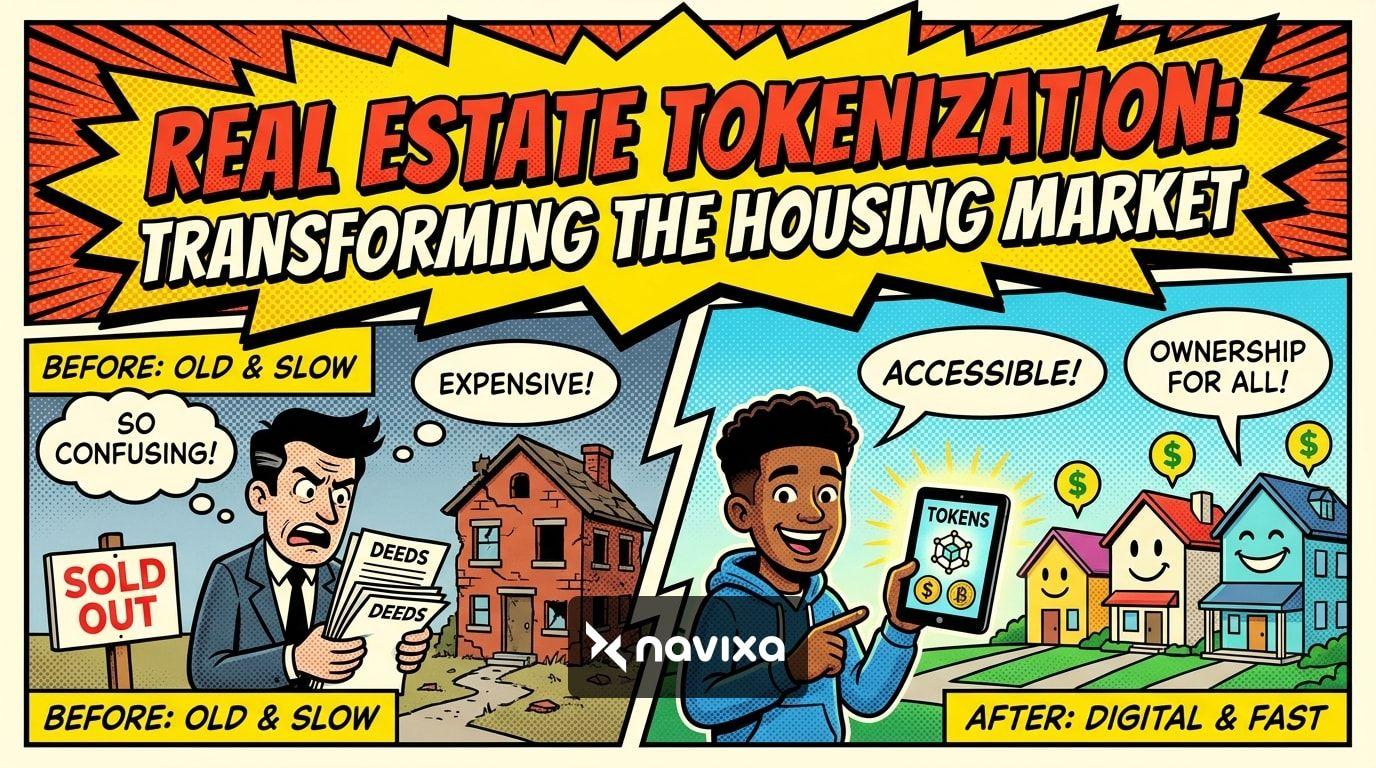
The tokenization of Real-World Assets (RWA) is arguably the most significant trend for institutional adoption. By bringing tangible assets like real estate, U.S. Treasuries, private credit, and commodities onto the blockchain, issuers can unlock liquidity, reduce settlement times, and enable fractional ownership.
Major financial institutions, including BlackRock and Franklin Templeton, have already launched tokenized funds, signaling a massive vote of confidence. According to data from rwa.xyz, the market for tokenized securities and private credit has seen exponential growth, with projections estimating the sector could reach trillions in value by the end of the decade. This trend transforms illiquid markets into 24/7 global trading environments accessible to a broader range of investors.
DePIN: Decentralized Physical Infrastructure Networks
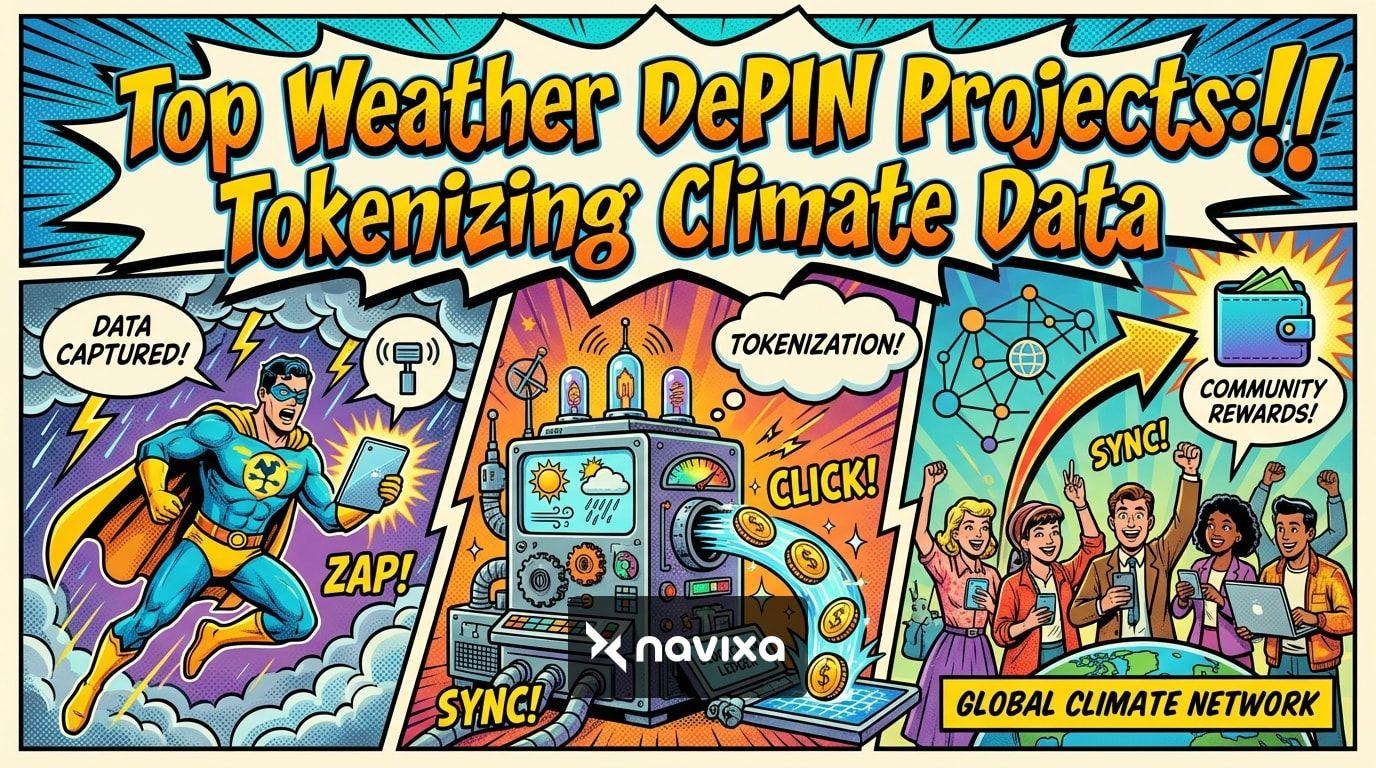
Closely linked to both AI and RWA is the emergence of DePIN. This sector leverages blockchain tokens to incentivize the build-out of physical infrastructure, such as wireless networks, sensor arrays, and energy grids. Instead of a centralized telecom company spending billions to build cell towers, a DePIN project rewards individuals for deploying hotspots, effectively crowdsourcing the infrastructure build-out.
This model drastically reduces capital expenditure and accelerates network deployment. As AI demands more edge computing and real-time data collection, DePIN networks provide the necessary hardware layer, creating a symbiotic relationship between these top technology trends.
| Trend Sector | Primary Value Proposition | Key Investment Risks | Target Audience |
|---|---|---|---|
| AI & Blockchain | Automation, data privacy, decentralized compute | Technology maturity, regulatory scrutiny on AI | Tech-savvy investors, developers |
| Real-World Assets (RWA) | Stability, yield from traditional assets, liquidity | Regulatory compliance, centralization of issuers | Institutional investors, conservative traders |
| DePIN | Passive income, physical utility, infrastructure ownership | Hardware costs, network saturation, token volatility | Hardware enthusiasts, long-term holders |
Strategic Market Analysis & Technical Outlook
Analyzing the market structure reveals that capital is increasingly flowing into protocols with tangible utility rather than purely speculative assets. On-chain data indicates a sustained rise in Total Value Locked (TVL) within RWA protocols, diverging from the volatility seen in meme coins.
Key Metrics to Watch
Investors should focus on metrics that signify real adoption. For RWA platforms, track the value of active loans or tokenized treasuries outstanding. For DePIN projects, monitor the number of active nodes and data consumption on the network. In the AI sector, look for developer activity and the actual utilization of compute credits. A comprehensive report by Forbes highlights how institutional money is prioritizing these fundamental metrics over short-term price action, suggesting a maturing market cycle.
Zero-Knowledge Proofs (ZKPs) and Interoperability
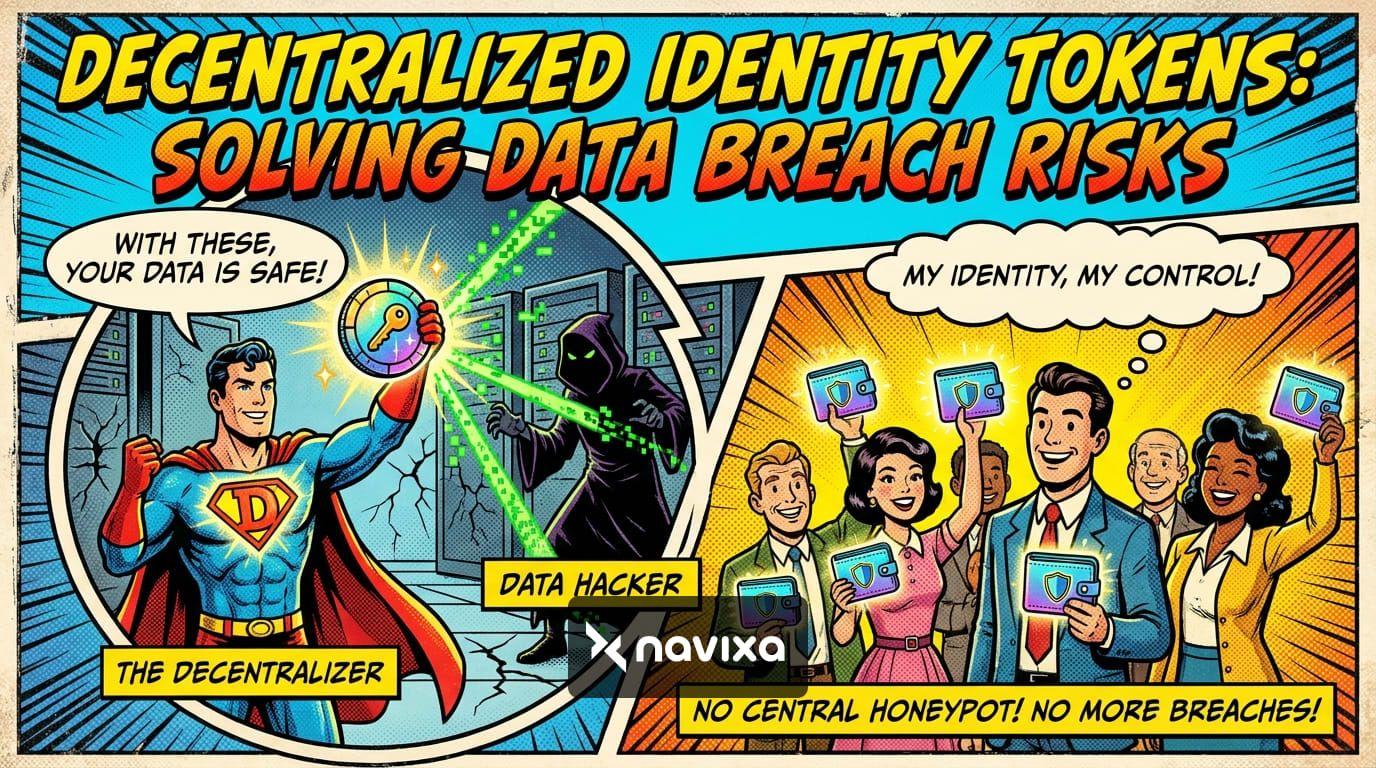
Supporting all these trends is the critical layer of scalability and privacy provided by Zero-Knowledge Proofs (ZKPs). As institutions enter the space via RWAs, the need for private transactions on public ledgers becomes paramount. ZKPs allow parties to verify transactions without revealing sensitive underlying data.
Simultaneously, interoperability protocols are breaking down silos, allowing assets to move freely between blockchains. This is essential for a unified global market where a tokenized building on Ethereum can seamlessly serve as collateral for a loan on Solana. The trend is moving towards a chain-abstracted user experience, where the underlying technology becomes invisible to the end-user.
Actionable Steps for Investors and Builders
To capitalize on these blockchain technology trends, participants must adopt a proactive strategy:
1. Diversify into Utility
Shift a portion of your portfolio towards protocols with real-world revenue streams. Look for projects in the DePIN and RWA sectors that show consistent growth in user fees and active nodes.
2. Prioritize Infrastructure
Invest in the "picks and shovels" of the crypto economy. This includes interoperability layers, oracle networks that feed real-world data to smart contracts, and decentralized compute platforms powering the AI revolution.
3. Stay Educated on Regulation
As RWAs grow, regulatory scrutiny will increase. Favor projects that prioritize compliance and have clear legal frameworks, as these are the ones likely to survive long-term institutional due diligence.
The convergence of AI, RWA, and DePIN is creating a sophisticated, utility-rich ecosystem. By focusing on these high-growth sectors, you position yourself at the forefront of the next generation of digital finance.