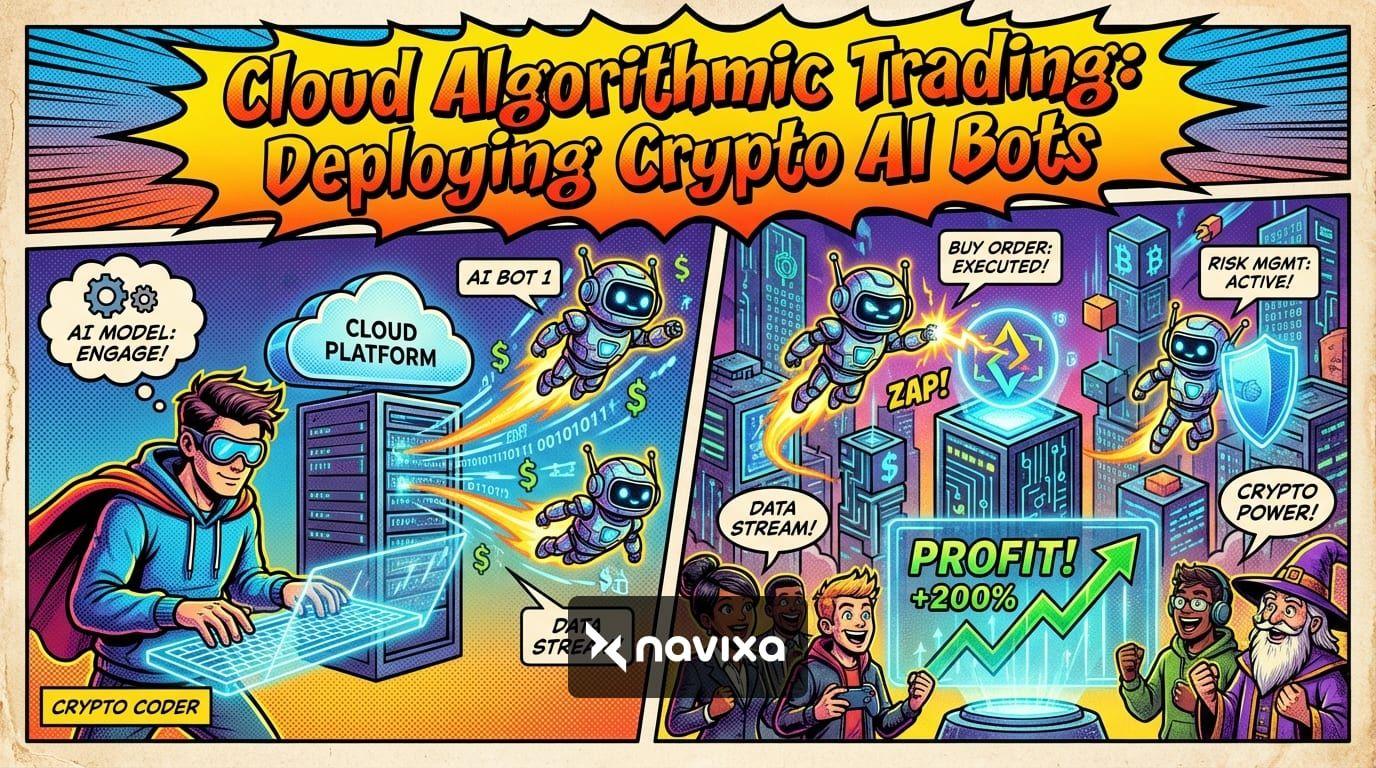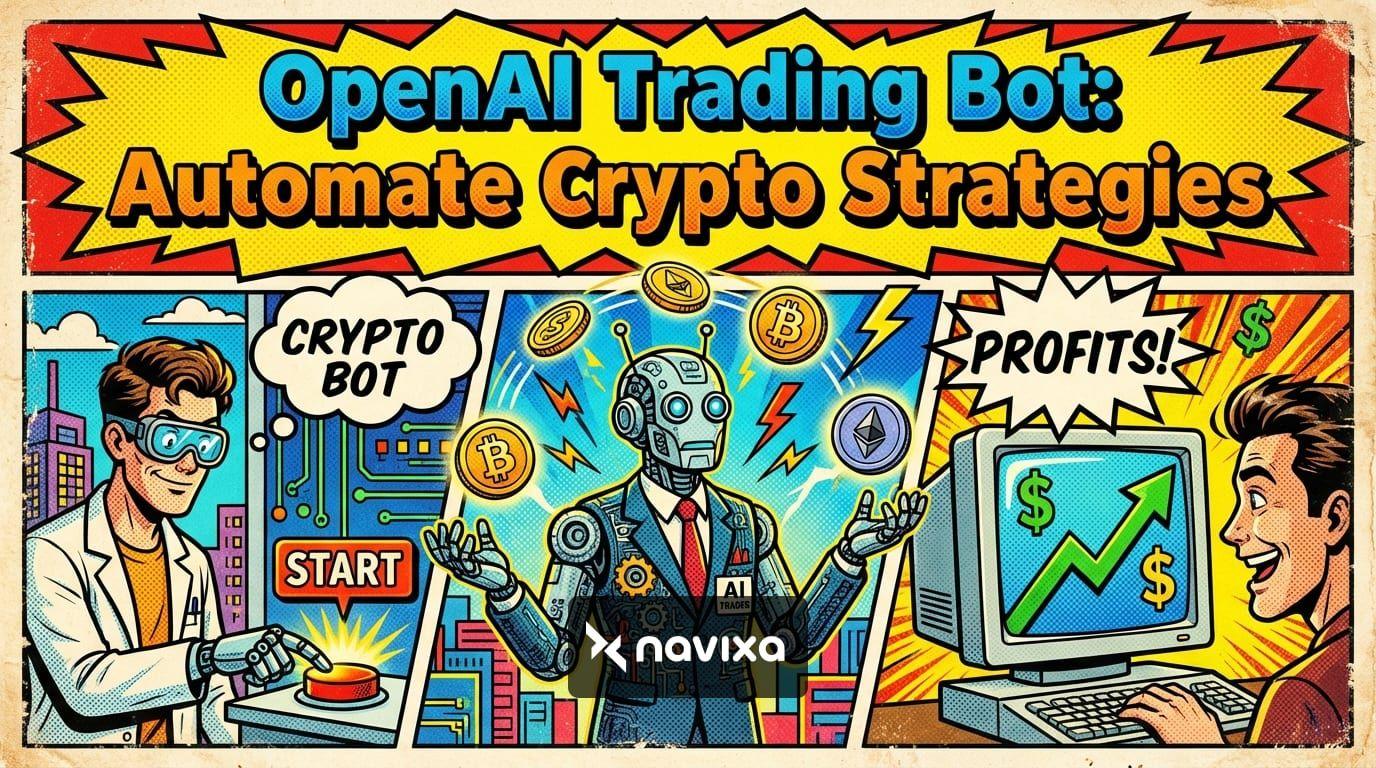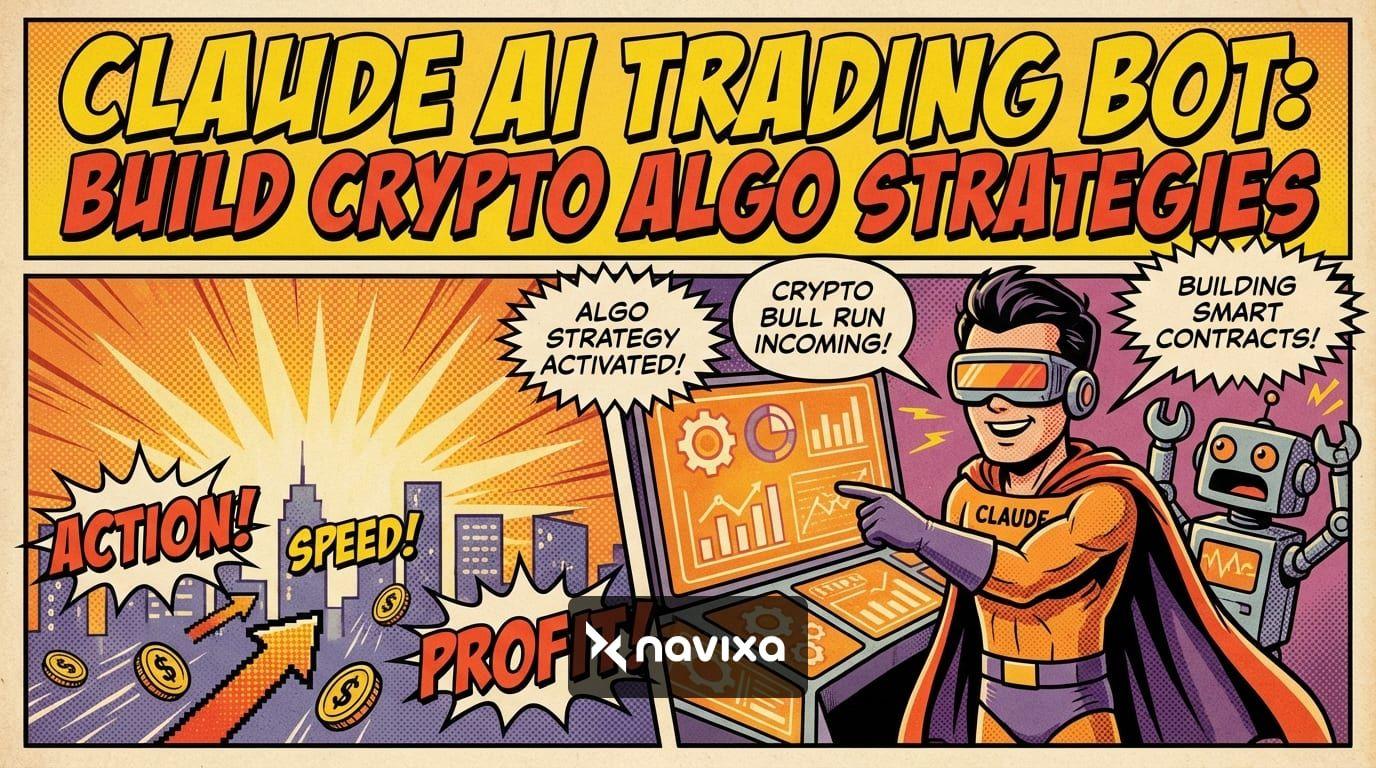

The fast-paced, 24/7 nature of the cryptocurrency market has always favored those who can process information quickly and execute trades without hesitation. As Bitcoin solidifies its position well above the $70,000 threshold, bolstered by spot ETF inflows and post-halving supply scarcity, the margin for error in manual trading has drastically shrunk. Enter GPT algorithmic trading—a paradigm shift that combines generative artificial intelligence with automated execution frameworks to give retail and institutional traders an unprecedented edge.
In the past, automated crypto trading relied strictly on rigid, rule-based systems. You would set a bot to buy when the Relative Strength Index (RSI) dipped below a certain level and sell when it crossed into overbought territory. While effective in predictable, ranging markets, these rudimentary bots frequently failed during sudden macroeconomic shifts or unexpected news events, often leaving traders holding depreciating assets.
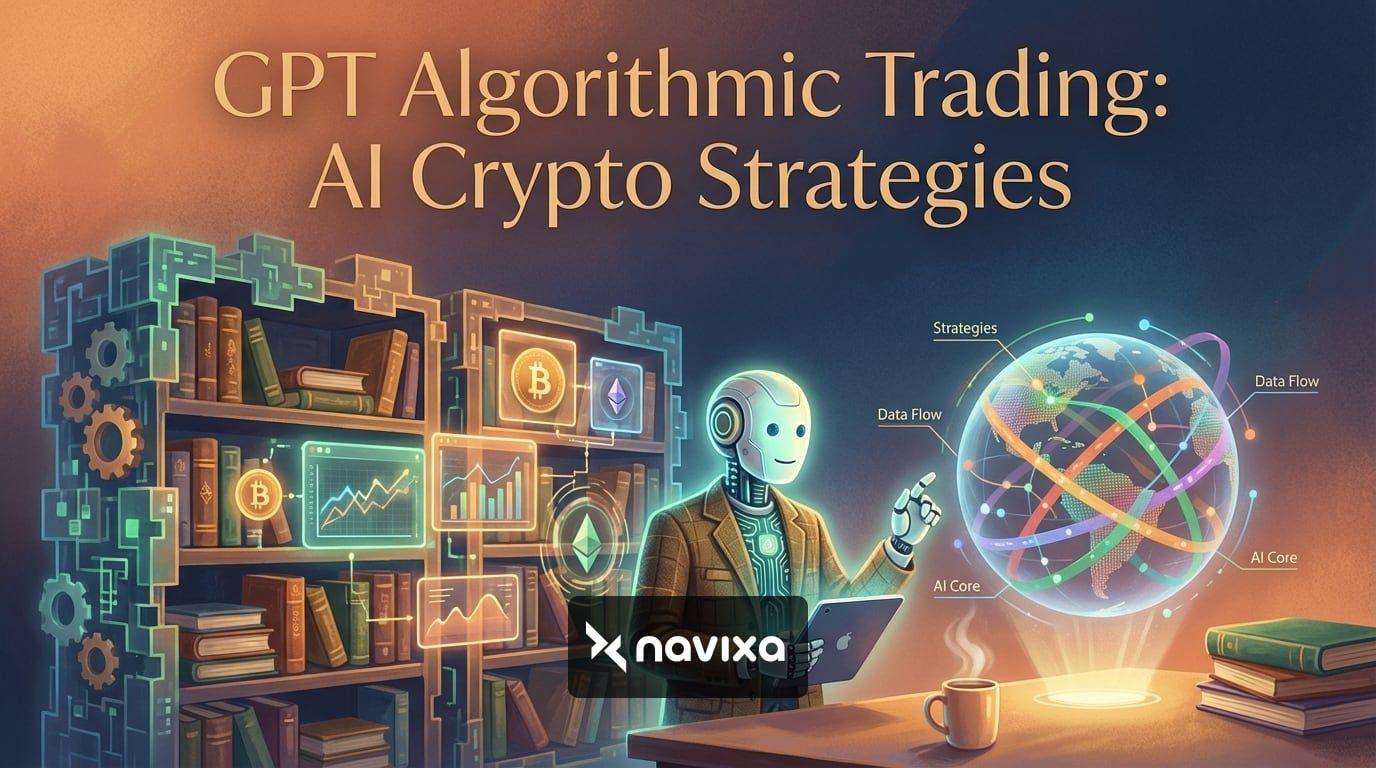
Today, GPT algorithmic trading leverages large language models (LLMs) and advanced machine learning to bridge the gap between quantitative data and qualitative market sentiment. By employing advanced AI, traders can now build, test, and deploy sophisticated strategies that adapt to market volatility in real-time. This comprehensive guide explores the top AI crypto strategies, compares the best platforms available today, and provides actionable steps to implement your own automated trading system safely.
The Evolution of AI in Crypto Markets
Artificial intelligence in financial markets is not a completely new concept, but its application in the retail cryptocurrency sector has evolved drastically over the last few years. Initially, retail crypto bots were simple scripts executing mathematical formulas. If the market trended sideways, a basic grid bot generated consistent, albeit small, profits. If the market plummeted abruptly, that same rigid bot could liquidate an entire portfolio if left unchecked by human intervention.
"The integration of Generative AI into algorithmic trading bridges the gap between quantitative data execution and qualitative market sentiment analysis."
The introduction of Generative Pre-trained Transformers (GPT) and machine learning signal layers has transformed these rigid tools into dynamic, thinking entities. Rather than blindly following static parameters, modern AI trading software utilizes adaptive parameter optimization. This means the bot can automatically widen its grid ranges or adjust its Dollar Cost Averaging (DCA) spacing based on real-time volatility conditions and changing liquidity depth.
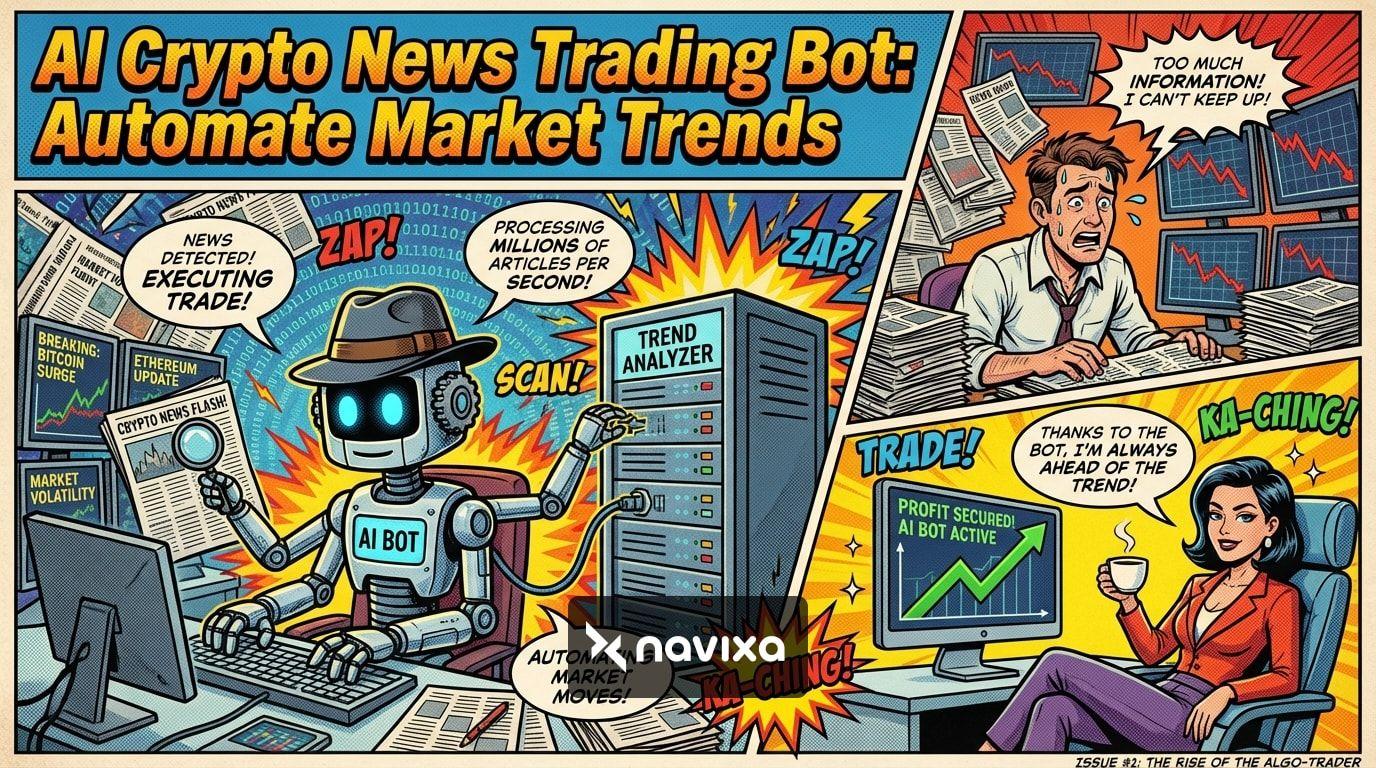
Furthermore, GPT models are inherently skilled at parsing massive datasets, including natural language. This allows modern trading algorithms to ingest SEC filings, breaking news headlines, and social media sentiment from global platforms in milliseconds. By the time a human trader reads a headline about a sudden regulatory shift or a major institutional Bitcoin purchase, a GPT algorithmic trading bot has already adjusted its risk parameters, closed vulnerable positions, and opened new ones aligned with the newly established trend.
Core GPT Algorithmic Trading Strategies
To succeed with AI in the digital asset market, you must deeply understand the underlying strategies these models execute. While GPT can write the code and meticulously manage the risk parameters, the overarching strategy dictates the bot's behavior.
Sentiment Analysis and News Trading
One of the most powerful applications for GPT algorithmic trading is sentiment analysis. Because cryptocurrency markets are notoriously narrative-driven, sudden shifts in market mood can dictate price action far more heavily than traditional technical indicators.
A GPT-powered bot can be programmed to monitor API feeds from major financial news outlets, blockchain data trackers, and crypto-specific forums. By performing natural language processing (NLP) on incoming text, the AI scores the sentiment as bullish, bearish, or neutral, assigning specific weights to high-impact keywords. If an overwhelmingly bullish news event occurs—such as a major corporate treasury purchase or a favorable court ruling—the bot can instantly execute long positions, capturing the breakout before the broader retail market has time to react.
Adaptive Grid and DCA Automation
Grid trading and Dollar Cost Averaging (DCA) are staple strategies in crypto, but AI enhances them significantly. In a standard grid strategy, you place a series of buy and sell orders at fixed intervals. However, in a highly volatile market, the asset price can easily break out of your grid's upper or lower bounds, leaving your capital trapped and unproductive.
An AI-enhanced grid bot uses machine learning to predict near-term volatility. If it senses an impending breakout based on order book depth and historical volume spikes, it dynamically adjusts the grid limits to follow the price action. Similarly, a smart AI-driven DCA bot doesn't just buy a fixed amount of crypto every Monday at a set time; it waits for optimal local bottoms, using technical indicators and machine learning signals to lower your average entry price much more efficiently.
Statistical Arbitrage and Market Neutrality
For traders looking to minimize directional market risk, statistical arbitrage is a highly effective AI crypto strategy. This involves trading the microscopic price inefficiencies between different cryptocurrency pairs or between the spot and futures markets.
Because these inefficiencies often last for only fractions of a second, manual execution is physically impossible. A GPT algorithmic trading system can continuously monitor dozens of exchanges simultaneously via API integrations. When it detects a price discrepancy—for example, Bitcoin trading slightly higher on one global exchange compared to another—it simultaneously buys on the cheaper exchange and sells on the more expensive one, capturing a nearly risk-free yield.
Top AI Crypto Trading Bots Compared
Choosing the right platform to deploy your GPT algorithmic trading strategies is crucial to your success. Not all bots offer the same machine learning features or exchange integrations. Below is a comparison of the top AI crypto trading bots leading the market.
| Platform | Core Strength | Target User | Free Version Available? |
|---|---|---|---|
| Pionex | Free Built-in Bots & Native Exchange Integration | Beginners | Yes (100% Free Bots) |
| 3Commas | Multi-Exchange Command & SmartTrade Terminal | Active Traders | Yes (Limited Trial) |
| Cryptohopper | AI Strategy Designer & Marketplace | All Levels | Yes (Pioneer Plan) |
| Bitsgap | Cross-Exchange Arbitrage & High-Frequency Grid | Intermediate Traders | Yes (7-Day Trial) |
* Pionex remains the premier choice for absolute beginners because the exchange has built-in, natively integrated bots. You don't have to worry about configuring complex API keys or paying high monthly subscription fees. * 3Commas offers profound customization, allowing active and professional traders to manage extensive portfolios across multiple exchanges seamlessly. * Cryptohopper leans heavily into algorithmic AI, allowing users to feed their bot various strategies and letting the artificial intelligence decide which one is currently the most mathematically effective for the given market condition. * Bitsgap is renowned for its high-frequency grid bots and robust arbitrage tools, making it ideal for traders looking to capitalize on sideways market chop.
Step-by-Step: Implementing Your AI Trading Strategy
Building and deploying a GPT algorithmic trading bot might sound intimidating, but modern no-code and low-code tools have democratized the process. Here is a step-by-step blueprint to get started safely.
1. Strategy Generation with Prompt Engineering
You do not need to be a senior software engineer to create a profitable trading algorithm. By utilizing advanced LLMs, you can use specific prompt engineering to generate complex trading scripts. For example, you can prompt OpenAI with: "Write a Pine Script for TradingView that triggers a buy signal when the 50-day moving average crosses above the 200-day moving average, combined with an RSI reading below 40, and includes a dynamic trailing stop-loss of 3%." The AI will rapidly output the code, which you can then customize, debug, and refine.
2. Walk-Forward Backtesting
Once you have your core strategy, you must strictly test it against historical data. However, standard backtesting can often lead to curve fitting—a scenario where a strategy is perfectly optimized for the past but fails miserably in live, real-time conditions. Walk-forward backtesting solves this by testing the strategy on a segment of historical data, optimizing its parameters, and then testing it again on a completely unseen segment of market data. This accurately simulates how the AI will perform in a live, unpredictable market environment.
3. Paper Trading in Live Markets
Never connect a newly generated algorithm directly to your main investment portfolio. Utilize paper trading, which is simulated trading with fake money using live, real-time market data. Leading platforms like TradingView and Cryptohopper offer robust paper trading environments. Let your GPT algorithmic trading bot run for at least several weeks through various market conditions—including both uptrends and downtrends—to ensure its internal logic holds up.
4. API Deployment and Monitoring
When you are finally ready to deploy real capital, you will connect your bot to your cryptocurrency exchange via Application Programming Interfaces (APIs). A crucial security step: when generating API keys on your exchange, strictly enable only the "Reading" and "Trading" permissions. Never enable "Withdrawal" permissions. This crucial step ensures that even if your third-party bot provider is compromised by bad actors, your actual funds cannot be stolen or transferred off the exchange.
Risk Management in GPT Trading
While AI can process market data exponentially faster than a human, it is not infallible. Machine learning models predict mathematical probabilities, not certainties. Effective risk management is the only barrier standing between a profitable automated strategy and total portfolio liquidation.
Dynamic Position Sizing
A well-coded AI trading bot incorporates a dynamic risk engine. Instead of risking a flat percentage of your portfolio on every single trade regardless of context, the AI should calculate position size based on the current market volatility and the distance to the logical stop-loss level. In highly erratic and volatile conditions, the AI should automatically reduce the position size to protect your core capital from devastating whipsaws.
Failsafes and Kill Switches
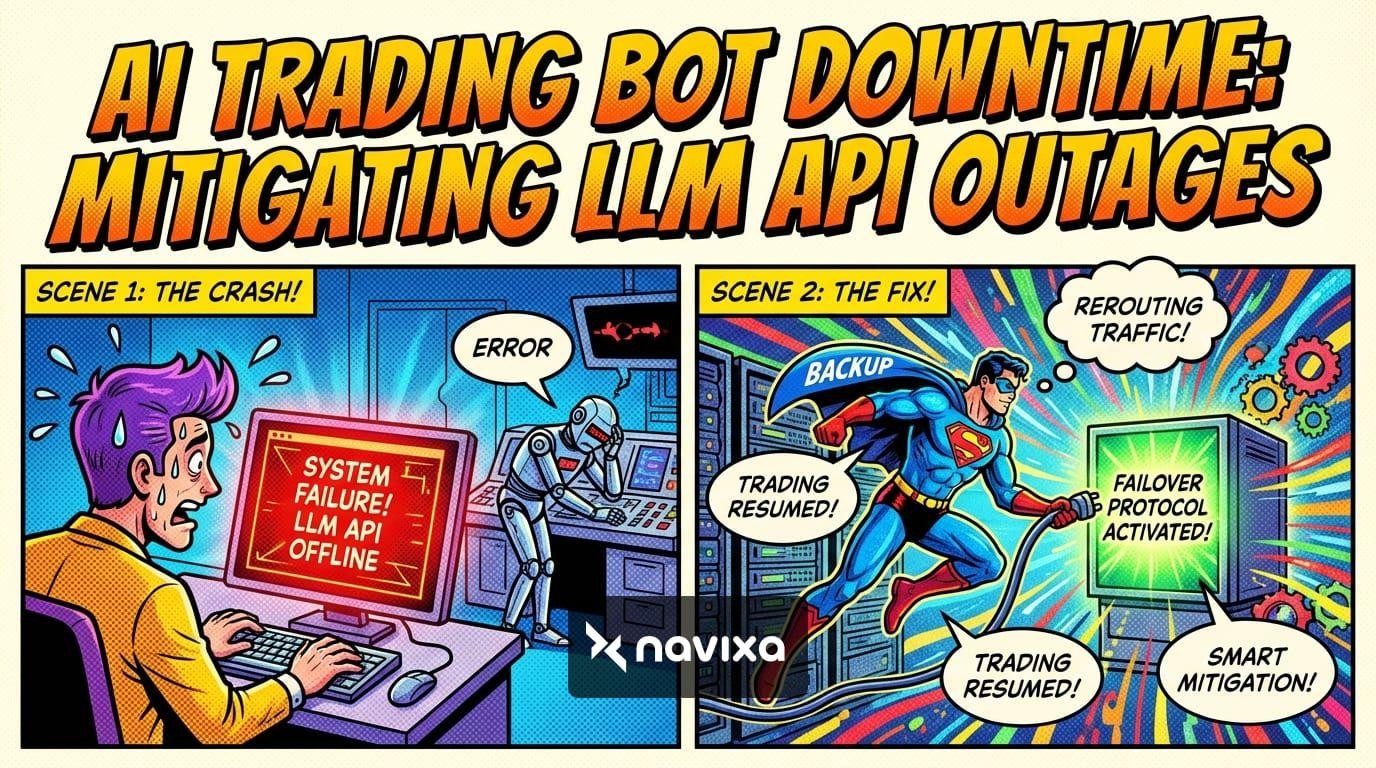
Black swan events—like unexpected centralized exchange collapses, sudden regulatory bans, or major global macroeconomic shocks—can temporarily break an AI bot's logic. Your algorithm must absolutely include global stop-loss mechanisms and emergency kill switches. If your total portfolio value drops by a predetermined percentage (for example, 10% in a single 24-hour period), the bot should automatically halt all trading activities, liquidate open derivative positions, and move your funds into stablecoins until manual human intervention occurs.
Avoiding Over-Optimization
Retail traders often fall into the trap of constantly tweaking their AI's parameters to achieve a 100% win rate on historical data. This is a dangerous and expensive illusion. Cryptocurrency markets are living, breathing ecosystems that constantly evolve. Allow your GPT algorithmic trading model enough room to breathe. Accept that small, controlled losses are a natural and unavoidable part of automated trading, and focus instead on the overall positive mathematical expectancy of the strategy measured over hundreds of executions.
Frequently Asked Questions
What is GPT algorithmic trading?
GPT algorithmic trading refers to the use of Generative Pre-trained Transformers and advanced artificial intelligence models to design, optimize, and execute automated cryptocurrency trading strategies. It seamlessly combines natural language processing for breaking news sentiment analysis with raw quantitative data for hyper-precise market execution.
Can AI trading bots guarantee profits?
Absolutely not. There are no guaranteed profits in cryptocurrency trading, regardless of the technology used. While AI bots can eliminate human emotional trading and execute complex orders faster than any manual trader, they are still fundamentally subject to severe market risks, liquidity gaps, flash crashes, and rapidly changing macroeconomic conditions.
Do I need coding skills to use GPT for trading?
Not necessarily. While basic coding knowledge helps you understand and fine-tune the underlying logic, you can easily use conversational AI to generate complex scripts for you. Additionally, many user-friendly retail platforms offer intuitive no-code, drag-and-drop interfaces to help you visually build and deploy automated strategies.
Are AI crypto bots safe to use?
They are generally considered safe as long as you use highly reputable, well-audited platforms and adhere strictly to fundamental security practices. The most important rule in automated trading is to never grant withdrawal permissions to the API keys you provide to your trading bot. Furthermore, you should always employ two-factor authentication (2FA) and enforce IP whitelisting on all of your exchange accounts.
Conclusion
GPT algorithmic trading is no longer an exclusive, highly guarded tool reserved only for Wall Street quantitative hedge funds; it has fully arrived in the retail cryptocurrency market, completely reshaping how modern traders approach digital assets. By brilliantly blending the analytical power of machine learning with the relentless, emotionless execution of automated bots, traders can now capitalize on microscopic market inefficiencies 24 hours a day, 365 days a year.
Whether you are deploying a simple, intelligent DCA bot to accumulate Bitcoin automatically during market dips, or you are utilizing complex statistical arbitrage across a dozen different exchanges, the true key to long-term success lies in rigorous backtesting and uncompromised risk management. Start small, heavily utilize paper trading environments, and let the AI conclusively prove its worth before scaling your hard-earned capital. Embrace the future of finance today and begin exploring how AI crypto strategies can elevate and protect your trading portfolio in the years to come.