Introduction
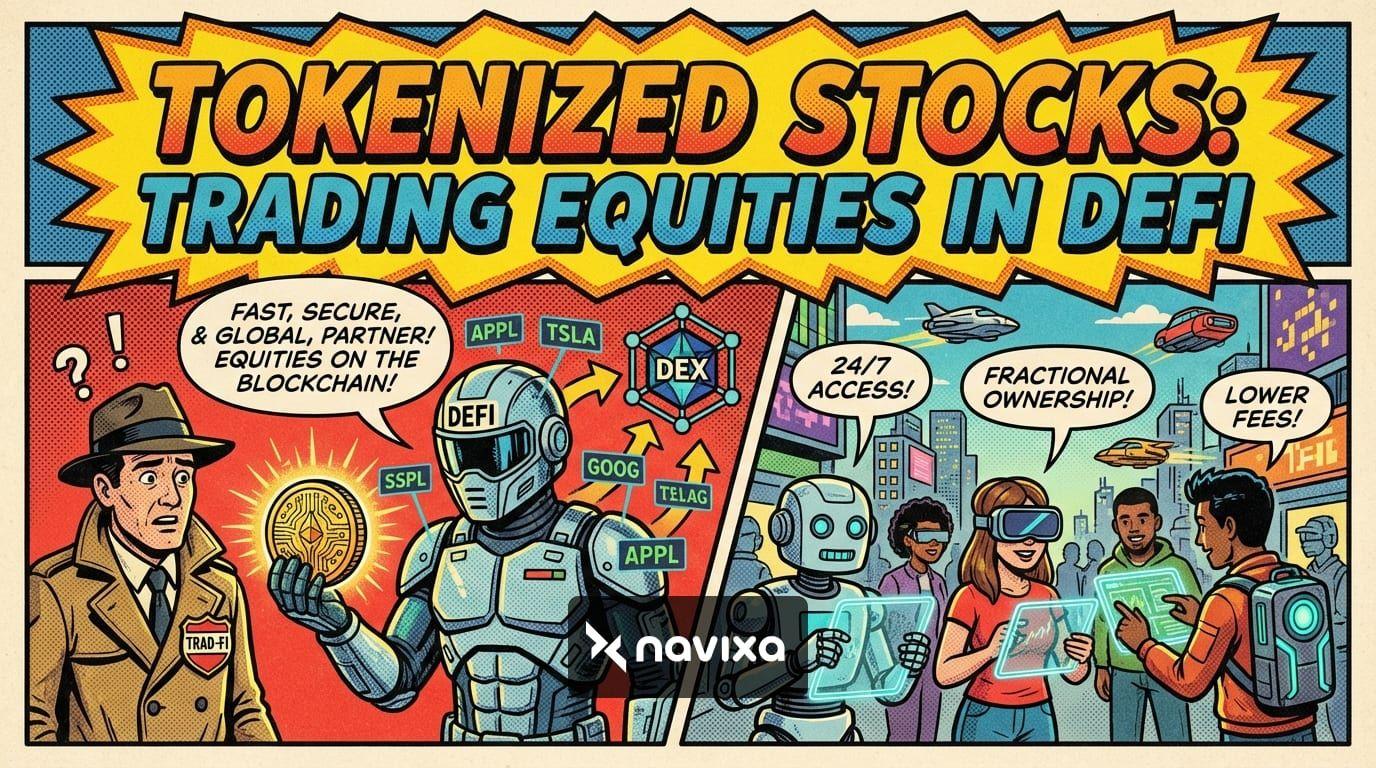
The financial landscape is undergoing a monumental shift. Historically, traditional finance (TradFi) and decentralized finance (DeFi) existed in parallel, separated by technological barriers and regulatory hurdles. Today, the convergence of these two ecosystems is happening at breakneck speed, driven by the emergence of tokenized stocks. For traders, this represents the ultimate evolution: combining the regulatory backing and stability of real-world equities with the composability, transparency, and 24/7 liquidity of blockchain technology.
For decades, legacy financial systems have forced investors to tolerate archaic inefficiencies: limited trading hours, regional restrictions, and a rigid settlement cycle that traps capital in clearinghouses. Tokenized stocks eliminate this friction. By tokenizing shares of publicly traded companies like Apple, Tesla, and Google, blockchain protocols are effectively democratizing access to global capital markets with instant, atomic settlement.
"The convergence of traditional finance and DeFi is no longer a future concept—it is the present reality of global capital markets."
In this comprehensive guide, we will explore the mechanics of tokenized stocks, how to trade real-world equities in DeFi, the top platforms driving adoption, and actionable strategies for navigating this rapidly expanding market.
What Are Tokenized Stocks?
At their core, tokenized stocks are digital representations of traditional equities issued on a blockchain. Instead of holding an electronic ledger entry with a traditional brokerage, an investor holds a cryptographic token in a digital wallet.
How They Work
The most robust model for tokenized stocks in the current market relies on a 1:1 equity-backed framework. This involves several critical steps:
1. Asset Custody: A regulated special-purpose vehicle (SPV) or licensed custodian purchases real-world shares of a publicly traded company. 2. Token Issuance: For every share held in custody, a smart contract mints an equivalent token (e.g., AAPLx for Apple stock). 3. Price Discovery: Decentralized oracles continuously feed traditional market prices onto the blockchain to ensure accurate tracking. 4. Composability: Once minted, these tokens can be transferred, traded on decentralized exchanges (DEXs), or used as collateral in DeFi lending protocols.
Unlike synthetic assets, which only track the price of a stock using complex derivative structures and margin, fully backed tokenized stocks provide a verifiable, auditable link to real equity.
Redemption and Burning
A critical feature of robust tokenized equity platforms is the redemption mechanism. If a token holder wishes to exit their position entirely, the platform allows them to redeem the tokenized stock. During this process, the smart contract "burns" (destroys) the token on the blockchain, and the custodian either liquidates the underlying share to send fiat currency to the user or transfers the actual share to a traditional brokerage account. This arbitrage mechanism is essential for keeping the token's price pegged to the traditional market value.
Why Trade Real-World Equities in DeFi?
Bringing equities onto the blockchain unlocks several structural advantages that legacy systems simply cannot match.
24/7 Liquidity and Trading
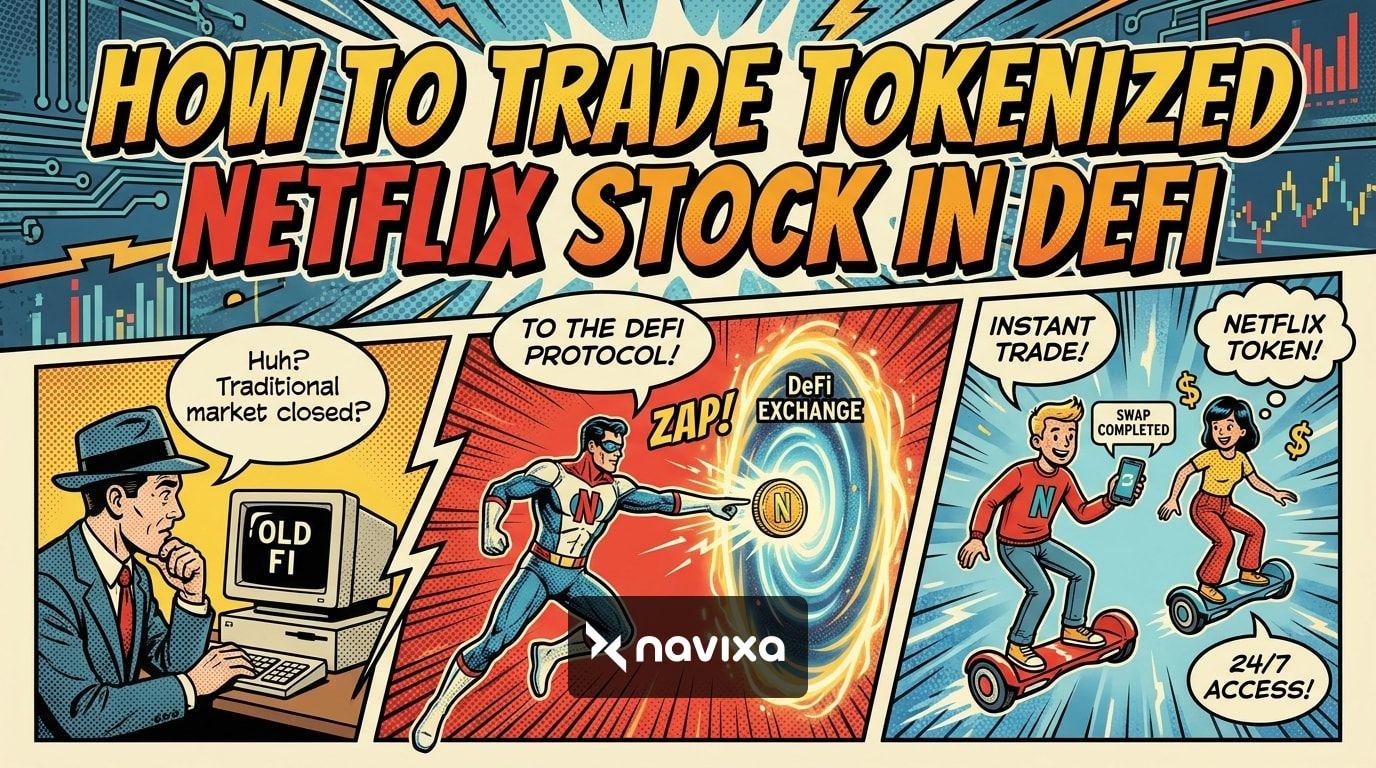
Traditional stock markets operate on a rigid Monday-to-Friday schedule, closing overnight and on holidays. This forces traders to deal with "gap ups" or "gap downs" when major news breaks outside of trading hours. Tokenized stocks listed on global platforms operate around the clock. Platforms utilizing tokenized assets allow you to manage risk precisely when news happens, eliminating overnight exposure anxiety.
Fractional Ownership
While many modern brokerages offer fractional shares, tokenized stocks embed this feature natively at the protocol level. A trader can buy a fraction of an expensive stock directly from their Web3 wallet, empowering retail participants and optimizing capital efficiency.
Global Access and Financial Inclusion
Traditional equity markets are highly geofenced. A retail investor in a developing nation might find it nearly impossible, or prohibitively expensive, to access U.S. equities due to exorbitant brokerage fees, currency conversion rates, and regulatory red tape. Tokenized stocks break down these geographical barriers. Anyone with an internet connection and a compliant digital wallet can access global blue-chip companies, leveling the playing field for international investors.
Unlocking DeFi Composability
Perhaps the most revolutionary aspect of tokenized stocks is their utility beyond simple trading. In traditional finance, holding shares in a brokerage account means that capital is relatively static unless margin is utilized. In DeFi, tokenized equities can be deployed productively.
For example, a trader could use tokenized Tesla shares as collateral in a lending protocol to borrow stablecoins, which they can then use to farm yield or purchase other assets. This seamless integration of traditional collateral into on-chain credit markets represents a structural evolution in how capital is utilized. Investors could also hold a tokenized dividend-paying stock, automatically receive dividend payouts in stablecoins, and simultaneously deploy the tokenized equity into an automated market maker (AMM) liquidity pool to earn trading fees.
Leading Platforms for Tokenized Equities
The ecosystem for Real-World Assets (RWAs) has exploded, surpassing tens of billions of dollars in on-chain value. While tokenized U.S. Treasuries initially dominated this space, the infrastructure has now expanded to support equities. Several key players are facilitating this transition:
Backed Finance and xStocks
Backed Finance has been instrumental in bringing institutional-grade tokens to the market. Through products like xStocks, which have seen billions in transaction volumes, traders can access fully collateralized, 1:1 backed equities. These tokens bring traditional market depth onto the blockchain, allowing for atomic settlement and seamless integration with DeFi infrastructure.
Securitize
As a leader in the regulatory compliance of RWAs, Securitize provides end-to-end tokenization services. They bridge TradFi and DeFi by ensuring that the issuance, transfer, and management of tokenized securities comply with stringent global regulations. Their infrastructure is pivotal for bringing institutional money onto the blockchain safely.
TermMax and Lending Markets
The true potential of tokenized equities is realized when integrated with decentralized credit. Platforms like TermMax allow users to borrow against tokenized stocks on networks like BNB Chain. By providing fixed-rate, fixed-term lending backed by equity tokens, these platforms bring institutional-grade financial plumbing to the decentralized world.
Comparing Traditional Stocks and Tokenized Stocks
Understanding the exact operational differences is crucial for any trader transitioning from Web2 brokerages to Web3 ecosystems.
| Feature | Traditional Equities | Tokenized Stocks |
|---|---|---|
| Market Hours | Monday - Friday, 9:30 AM - 4:00 PM EST | 24/7/365 |
| Settlement Time | T+1 (Typically 1 business day) | Instant (Atomic execution via Smart Contracts) |
| Custody | Held by centralized broker/clearinghouse | Held in non-custodial or managed Web3 wallets |
| DeFi Integration | None | High (Can be used as collateral, yield farming) |
| Global Access | Limited by jurisdiction and local brokers | High (Accessible via compatible wallets) |
| Fractionalization | Broker-dependent | Native to the blockchain protocol |
Trading Strategy and Technical Analysis
Trading tokenized stocks requires a hybrid approach. You must combine traditional technical analysis (TA) with on-chain data tracking.
Applying Technical Analysis
Because fully backed tokenized stocks mirror the price of their real-world counterparts, standard technical analysis remains completely valid. Traders can apply moving averages, RSI, Fibonacci retracements, and volume profile analysis to the underlying asset. However, due to the 24/7 nature of decentralized trading, chart patterns may form continuously rather than showing traditional daily market gaps.
Exploiting Arbitrage Opportunities
Because tokenized stocks trade continuously on decentralized exchanges while traditional equities only trade during standard market hours, price disparities frequently emerge. If a major earnings report drops over the weekend, the tokenized stock's price will react immediately on the blockchain, while the traditional stock remains frozen until Monday morning. Sharp traders can capitalize on these arbitrage windows, capturing the spread between the on-chain AMM price and the anticipated traditional market opening price.
Monitoring On-Chain Metrics
When trading in DeFi, you must also monitor blockchain-specific metrics:
- Liquidity Pool Depth: Unlike a centralized order book, DEXs use automated market makers (AMMs). Deep liquidity pools are essential to prevent high slippage on large trades. - Oracle Performance: Traders should monitor the latency of price oracles. If an oracle lags behind the traditional market, arbitrage opportunities (or risks) can arise. - Smart Contract Audits: Always verify that the tokenized stock contract has been heavily audited by reputable security firms to minimize exploit risk.
Actionable Steps to Start Trading
If you are ready to incorporate real-world equities into your crypto trading strategy, follow these steps:
1. Set Up a Web3 Wallet: Ensure you have a secure, non-custodial wallet funded with the native gas token of your chosen blockchain (e.g., ETH, SOL, or BNB) and stablecoins (like USDC or USDT) for trading. 2. Navigate Regulatory Requirements: Because tokenized stocks represent securities, legitimate issuing platforms require Know Your Customer (KYC) and Anti-Money Laundering (AML) verification. You may need to whitelist your wallet address before interacting with certain compliant tokens. 3. Choose the Right Platform: Use established aggregators or RWA dashboards like RWA.xyz to identify platforms with the deepest liquidity and strongest regulatory frameworks. 4. Start Small: Execute a few fractional trades to understand the mechanics of decentralized settlement and AMM slippage before committing larger capital. 5. Manage Gas Fees and Slippage: When trading on decentralized networks, be mindful of network transaction fees. Additionally, set a strict slippage tolerance in your decentralized exchange interface to ensure your order does not execute at a drastically worse price if liquidity temporarily thins out.
Risk Management in Tokenized Equities
While the benefits are vast, trading equities on a blockchain introduces unique risk factors that must be managed.
Counterparty and Custodial Risk
While the blockchain layer is decentralized, the physical shares must still be held by a centralized entity (the custodian or SPV). If the custodian acts maliciously, faces bankruptcy, or suffers a severe regulatory crackdown, the tokens representing those assets could be rendered worthless. It is paramount to trade tokens issued by transparent, legally structured, and highly regulated entities that segregate client assets from corporate funds.
Smart Contract and Technical Risk
DeFi protocols are governed by code. If a vulnerability exists in the smart contract managing the token issuance or the decentralized exchange, funds could be drained. Stick to battle-tested platforms and tokens that provide transparent, third-party audit reports.
Regulatory Uncertainty
Securities laws vary drastically by jurisdiction. While the ecosystem is making huge strides in compliance, investors must be aware that sudden regulatory shifts could impact the liquidity or legality of certain tokens in their home countries.
De-Pegging and Oracle Lag
A tokenized stock should maintain parity with the real-world share price. However, during periods of extreme market volatility, liquidity imbalances on DEXs or delayed oracle updates can cause the token's price to temporarily "de-peg" from the underlying asset. Traders should use limit orders where available to avoid executing trades at unfavorable prices during these lag windows.
Practical Takeaways
- Continuous Markets: Tokenized stocks represent physical shares on the blockchain, providing 24/7 liquidity and instant settlement. - Capital Efficiency: They open up massive opportunities by allowing equities to serve as collateral in DeFi lending protocols. - Verify Backing: Always check the backing of the token. Prefer 1:1 asset-backed tokens held by licensed custodians over purely synthetic tracking tokens. - Adapt Strategies: Maintain rigorous risk management by combining traditional stock analysis with on-chain liquidity tracking and arbitrage strategies.
Conclusion
Tokenized stocks are more than just a novelty; they represent the structural evolution of global capital markets. By bringing traditional equities onto the blockchain, investors can bypass archaic settlement systems, access markets around the clock, and unlock the immense power of DeFi composability. The convergence of TradFi and Web3 is actively transforming how we view ownership and liquidity.
As the lines between traditional exchanges and blockchain protocols continue to blur, traders who understand and adapt to tokenized real-world assets will hold a significant edge. Embrace the transparency of the blockchain, leverage the speed of atomic settlement, and start integrating tokenized stocks into your broader trading portfolio today.
Frequently Asked Questions
Are tokenized stocks legally considered real shares?
Tokenized stocks that are 1:1 backed by real-world equities represent a legal claim or economic exposure to the underlying asset held by a custodian. However, because they are issued on a blockchain, they are subject to strict securities regulations, and the exact legal classification can vary significantly depending on the issuer's jurisdiction and corporate structure.
Do tokenized stocks pay dividends?
Yes, fully backed tokenized stocks can pay dividends. When the underlying company issues a dividend, the custodian holding the real shares receives the cash. The tokenization smart contract is then programmed to distribute this equivalent value automatically to token holders, typically in the form of stablecoins deposited directly into their Web3 wallets.
Can I trade tokenized stocks if the traditional market is closed?
Absolutely. One of the primary benefits of tokenized stocks is the ability to trade 24 hours a day, 7 days a week on decentralized exchanges. While traditional markets dictate the official underlying price during trading hours, the blockchain token can be traded based on after-hours news, providing continuous liquidity.
What is the difference between synthetic stocks and tokenized stocks?
Synthetic stocks use complex derivatives and algorithms to mimic the price movements of a stock without actually holding the underlying asset. Tokenized stocks, particularly the 1:1 equity-backed model, involve a licensed custodian actually purchasing and holding the physical shares, providing a safer, more transparent link to the real asset.
Why do I need to complete KYC to trade these tokens?
Because tokenized stocks track real-world equities, financial authorities universally classify them as securities. Issuers and regulated platforms must comply with global Anti-Money Laundering (AML) and Know Your Customer (KYC) laws to prevent illicit activity. Consequently, you often must verify your identity and whitelist your wallet before buying or holding these specific tokens.