
In the fast-evolving landscape of decentralized finance (DeFi), few platforms have captured the public zeitgeist quite like Polymarket. By transforming news, politics, and culture into tradable assets, it has created a new financial paradigm: the information market. As we move through 2026, prediction markets have arguably become more reliable sources of truth than traditional polling or cable news pundits.
The premise is simple yet profound. Instead of reading about an event, you trade on the outcome. If you believe a specific candidate will win an election or a central bank will cut rates, you back that conviction with capital. This financial skin in the game aggregates global knowledge, often producing probability forecasts that outpace experts. This guide explores exactly what Polymarket is, the technology powering it, and how you can participate in this booming economy of information.
What is Polymarket?
Polymarket is a decentralized prediction market platform built on the Polygon blockchain. Unlike traditional sportsbooks where you bet against a house that sets the odds, Polymarket is a peer-to-peer exchange. The odds are determined entirely by supply and demand from traders around the world.
The platform uses USDC (a stablecoin pegged to the US Dollar) as its settlement currency. This ensures that trades are denominated in a stable value rather than a volatile cryptocurrency, making it accessible to users who may not be deep into the crypto ecosystem. Following the explosive growth seen in 2024 and 2025, the platform has cemented itself as the primary venue for forecasting global events, often processing billions of dollars in volume during major election cycles.
How Prediction Markets Work
The core mechanic of Polymarket is the concept of "outcome shares." Every market is broken down into binary positions: YES and NO. The price of a share always ranges between $0.00 and $1.00. This price reflects the market's collective probability of that event occurring.
Price as Probability
If a "Yes" share for an event is trading at $0.65, the market is assigning a 65% probability that the event will happen. If you buy that share and the event occurs, your share is redeemable for $1.00. If the event does not occur, the share expires at $0.00.
For example, if you buy 100 "Yes" shares at $0.65 (costing $65) and you are correct, you receive $100, netting a $35 profit. This mechanism forces traders to be honest; unlike social media pundits who can make wild claims without consequence, Polymarket traders lose money if they are wrong.
The Technology Stack: UMA and Polygon
Polymarket's efficiency relies on a sophisticated technology stack that ensures trustless resolution and low fees.
The Optimistic Oracle
One of the biggest challenges for prediction markets is determining the winner. Who decides if a candidate actually won? Polymarket utilizes the UMA Protocol, an optimistic oracle service. In this system, anyone can propose a resolution (e.g., "Candidate A won"). If no one disputes this claim within a set window, it is accepted as truth. If there is a dispute, UMA token holders vote to resolve it. This decentralized adjudication prevents central authorities from manipulating market outcomes.
Hybrid Order Book
Unlike early decentralized exchanges that relied solely on Automated Market Makers (AMMs), Polymarket uses a hybrid model that includes a Central Limit Order Book (CLOB). This allows for tighter spreads and better liquidity, similar to the experience on a centralized exchange like Binance or Coinbase, but with non-custodial settlement.
Polymarket vs. Competitors
While Polymarket is the dominant decentralized option, it faces competition from regulated US exchanges like Kalshi and legacy platforms like PredictIt. The choice between them often comes down to accessibility, fees, and liquidity.
| Feature | Polymarket | Kalshi | PredictIt |
|---|---|---|---|
| Type | Decentralized (DeFi) | Centralized (US Regulated) | Centralized (Academic) |
| Currency | USDC (Crypto) | USD (Fiat) | USD (Fiat) |
| Fees | No trading fees (only gas) | Variable fees per contract | 10% on profits + 5% withdrawal |
| Limits | No limits | High limits (CFTC approved) | $850 per contract |
| Access | Global (Geo-blocked in US) | US Residents Only | US Residents Only |
As shown in the table, Polymarket appeals to users seeking lower fees and global liquidity, while Kalshi is the preferred route for US-based institutions requiring regulatory compliance.
How to Trade on Polymarket
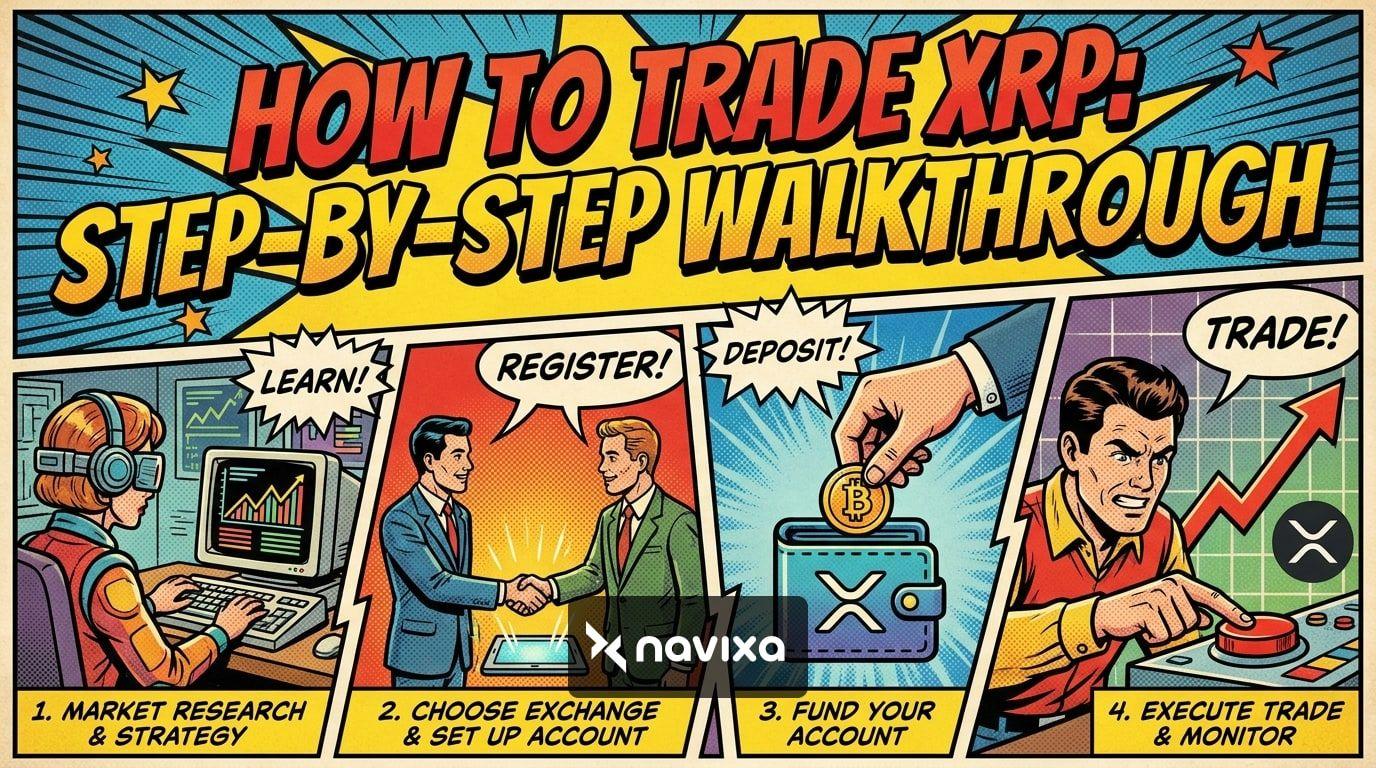
Getting started requires a basic understanding of Web3 wallets. Here is a step-by-step walkthrough for new users.
1. Connect a Wallet
You do not create an account with an email and password. Instead, you connect a self-custodial wallet like MetaMask, Phantom, or Coinbase Wallet. This wallet acts as your login credential and your bank account.
2. Deposit Funds (USDC)
All trading settles in USDC on the Polygon network. You can purchase USDC directly through the interface using a credit card (via MoonPay or similar providers) or transfer USDC from a centralized exchange like Binance or Coinbase. Ensure you are sending funds via the Polygon network to avoid losing assets.
3. Select a Market and Trade
Browse categories ranging from Politics and Economics to Pop Culture. Once you find a market, you can place a Limit Order (setting your own price) or a Market Order (buying instantly at the best available price). Your shares will appear in your portfolio immediately.
The "POLY" Token & Airdrop Rumors
Throughout 2025 and into 2026, speculation regarding a native token for Polymarket has intensified. While the platform operated for years without one, the trend in DeFi is to decentralize governance through a token. Rumors suggest a "POLY" token could be airdropped to early users, rewarding liquidity providers and active traders.
Although confirmed details remain scarce, trademark filings in early 2026 have added fuel to the fire. Traders speculating on an airdrop often focus on generating consistent volume, though users should be wary of "wash trading" (fake volume), as protocols frequently blacklist such behavior before an airdrop event.
Regulatory Landscape & Risks
Despite its success, Polymarket operates in a grey area in several jurisdictions. In the United States, the Commodity Futures Trading Commission (CFTC) fined the platform $1.4 million in 2022, leading Polymarket to geo-block US IP addresses. However, the decentralized nature of the blockchain means that wallet addresses are not inherently tied to a location, leading to a "cat and mouse" game involving VPNs.
Traders should also be aware of oracle risk. While UMA is robust, disputes can sometimes delay settlement. Furthermore, niche markets with low liquidity can be volatile, meaning a small amount of capital can drastically shift the odds, creating slippage for larger orders.
Future Outlook: The Era of Forecasting
As we look ahead, the role of prediction markets is shifting from a novelty to a critical financial instrument. Major news terminals and institutional investors now monitor Polymarket odds alongside traditional polling data. The "wisdom of the crowd," backed by capital, is proving to be a powerful antidote to misinformation.
For the average trader, Polymarket offers a unique way to hedge real-world risks or profit from superior knowledge. Whether you are a political junkie, a crypto native, or a macroeconomics observer, decentralized prediction markets provide a transparent, liquid, and fascinating new arena to test your convictions.