

Cryptocurrency taxation has evolved from a regulatory gray area into a primary focus for the IRS. With the introduction of the infrastructure bill’s reporting requirements and specific revenue rulings targeting decentralized finance (DeFi) and non-fungible tokens (NFTs), the “Wild West” days of crypto reporting are effectively over. For investors navigating the complex ecosystem of staking, liquidity mining, and digital collectibles, understanding the tax implications is no longer optional—it is critical for asset protection.
This guide provides a comprehensive breakdown of how the IRS treats advanced crypto transactions. We will explore the specific tax liabilities associated with DeFi staking rewards, the nuances of NFT classifications, and the actionable strategies you can use to report your gains accurately while minimizing your tax burden.
The Core Principle: Property, Not Currency
Before diving into complex DeFi mechanics, it is essential to revisit the fundamental rule of crypto taxation in the United States. The IRS treats cryptocurrency as property, not currency. This distinction means that every time you spend, swap, or trade crypto, you are technically disposing of an asset, which triggers a taxable event.
There are generally two types of taxes you will encounter:
1. Capital Gains Tax: Triggered when you sell an asset for more than you acquired it for. This applies to trading BTC for ETH, selling SOL for USD, or using crypto to buy a coffee.
2. Income Tax: Triggered when you earn new coins. This includes mining rewards, staking rewards, airdrops, and interest payments from lending platforms.
Reporting DeFi Staking and Yield Farming
Decentralized Finance (DeFi) complicates tax reporting because transactions occur via smart contracts rather than centralized brokers. However, the Revenue Ruling 2023-14 provided much-needed clarity on how staking rewards are treated.
Staking Rewards as Income
The IRS has explicitly stated that staking rewards must be included in your gross income in the taxable year that you gain dominion and control over the tokens. Dominion and control generally means the ability to sell, exchange, or transfer the rewards.
For example, if you stake Solana (SOL) and receive 2 SOL as a reward, those 2 SOL are taxed as ordinary income at their fair market value (FMV) at the precise moment you received them. This value then becomes your cost basis for those coins. If you sell them later, you will pay capital gains tax on the difference between the sale price and this cost basis.
Liquidity Pools and Impermanent Loss
Providing liquidity to a DEX like Uniswap involves depositing pairs of tokens. In the eyes of the IRS, this is often viewed as a crypto-to-crypto trade if you receive a Liquidity Provider (LP) token in exchange for your deposit. Conservative tax guidance suggests that depositing tokens into a pool is a taxable disposal of your coins in exchange for the LP token.
Furthermore, rewards earned from liquidity mining (often paid in governance tokens) are taxed as income upon receipt. When you exit the pool, you are effectively trading your LP token back for the underlying assets. This is another taxable event, where any "impermanent loss" you suffered becomes a realized capital loss.
Wrapping and Bridging
Wrapping a token (e.g., BTC to wBTC) or bridging assets from Ethereum to an L2 chain like Arbitrum is technically a swap of one asset for another. While some argue these should be non-taxable like-kind exchanges, the IRS currently restricts like-kind exchanges to real estate. Therefore, most tax software treats wrapping and bridging as taxable events, calculating gains or losses based on the price difference at the exact moment of the bridge.
The NFT Tax Trap: Collectibles vs. Digital Assets
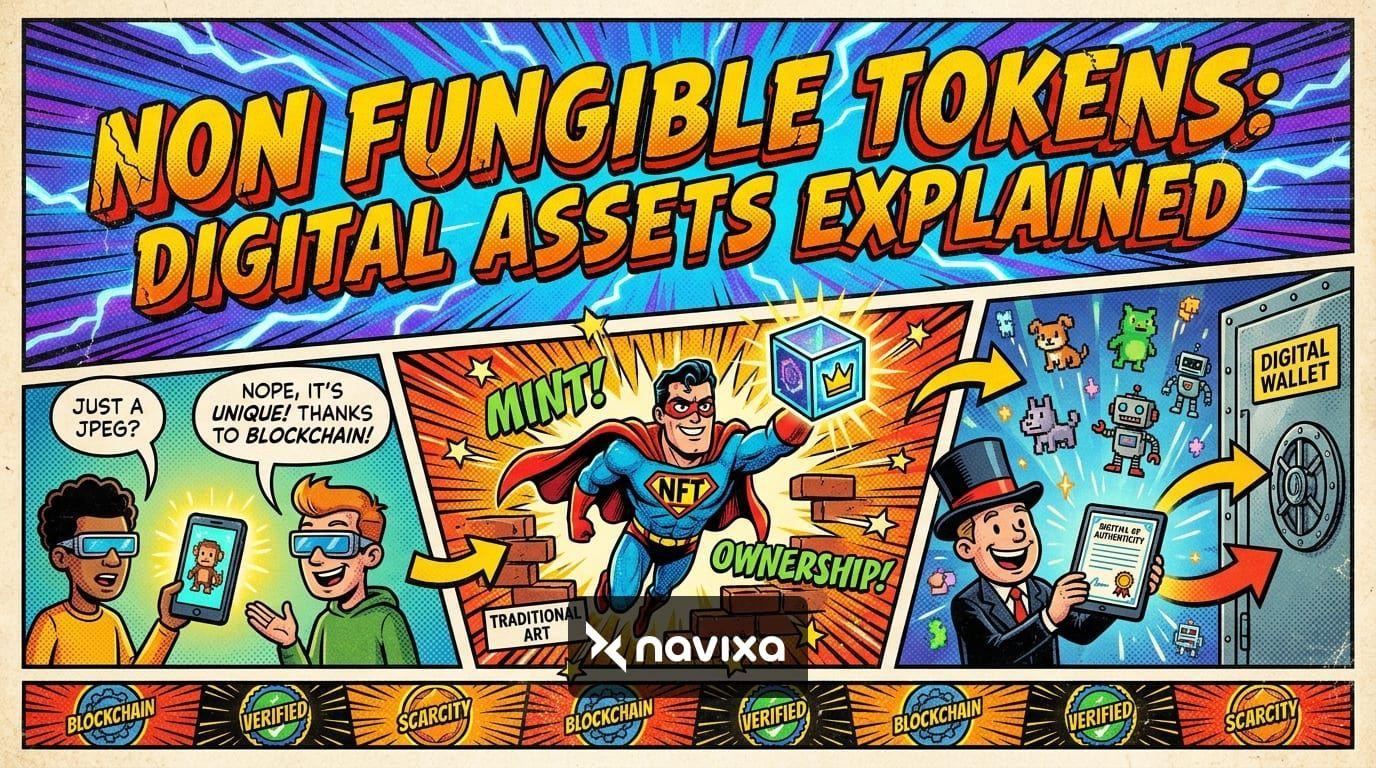
NFTs present a unique challenge. While generally taxed as property (capital gains), the IRS has issued Notice 2023-27, indicating that certain NFTs may be taxed as "collectibles." This is significant because the maximum long-term capital gains tax rate for collectibles is 28%, significantly higher than the standard 20% cap for other assets.
The Look-Through Rule
The IRS intends to use a "look-through" analysis to determine if an NFT is a collectible. If the NFT represents ownership of a physical collectible (like a gem, work of art, or bottle of vintage wine), the NFT itself is treated as a collectible. If the NFT represents a digital file that does not fall into the traditional definition of a collectible (like a utility token or pass), it likely retains the standard capital gains treatment.
Be cautious when trading high-value digital art NFTs, as they are the most likely candidates for the higher 28% tax rate.
Comparison: Taxable vs. Non-Taxable Events
Understanding what triggers a tax event is half the battle. Use this table to quickly identify your reporting obligations.
| Event Type | Tax Consequence | Reporting Form |
|---|---|---|
| Selling Crypto for Fiat | Capital Gain / Loss | Form 8949 |
| Trading Crypto for Crypto (Swaps) | Capital Gain / Loss | Form 8949 |
| Staking Rewards / Yield | Ordinary Income | Schedule 1 (Other Income) |
| Receiving an Airdrop | Ordinary Income | Schedule 1 (Other Income) |
| Buying Crypto with Fiat | None (Non-Taxable) | N/A |
| Transferring between own wallets | None (Non-Taxable) | N/A (Track transfer fees) |
| Minting an NFT (creation) | None until sold | N/A |
| Buying an NFT with ETH | Capital Gain / Loss (on the ETH used) | Form 8949 |
Essential Reporting Forms and Strategies
Form 8949 and Schedule D
For every disposal of an asset, you must log the details on Form 8949. This includes the date acquired, date sold, proceeds (FMV at time of sale), and cost basis (FMV at time of purchase). The totals from this form flow into Schedule D, which calculates your total net capital gain or loss.
The Wash Sale Rule Loophole
In traditional stocks, the "wash sale rule" prevents you from selling a security at a loss and buying it back within 30 days to claim a tax deduction. Currently, this rule does not explicitly apply to cryptocurrency because digital assets are classified as property, not securities. This allows for Tax Loss Harvesting—selling crypto at a loss to offset gains, then immediately rebuying it.
However, caution is advised. The IRS has the authority to use the "Economic Substance Doctrine" to disallow losses if a transaction lacks economic purpose beyond tax avoidance. Aggressive harvesting without any market risk (e.g., selling and rebuying in the same second) could potentially be challenged.
Cost Basis Methods: FIFO vs. HIFO
Choosing the right cost basis method can save you thousands. The default method is FIFO (First-In, First-Out), which assumes you are selling your oldest coins first. In a bull market, your oldest coins likely have the lowest cost basis, resulting in the highest taxes.
Alternatively, you can use Specific Identification methods like HIFO (Highest-In, First-Out). By identifying and selling the specific coins you bought at the highest price, you minimize the gap between your cost basis and the sale price, thereby reducing your capital gains tax. Note that to use Specific ID, you must keep detailed records identifying the specific units sold.
Conclusion
Crypto tax reporting has moved beyond simple trade tracking. With the rise of DeFi, staking, and NFTs, your reporting strategy must be robust and proactive. The introduction of forms like the 1099-DA signifies that the IRS is gaining better visibility into digital asset transactions. Staying compliant requires diligent record-keeping and often the use of specialized crypto tax software to track cost basis across multiple wallets and blockchains.
Do not wait until the filing deadline to untangle your transaction history. Start organizing your data now, consider harvesting losses before the year ends, and consult with a tax professional who specializes in digital assets to ensure you aren't overpaying on your crypto gains.