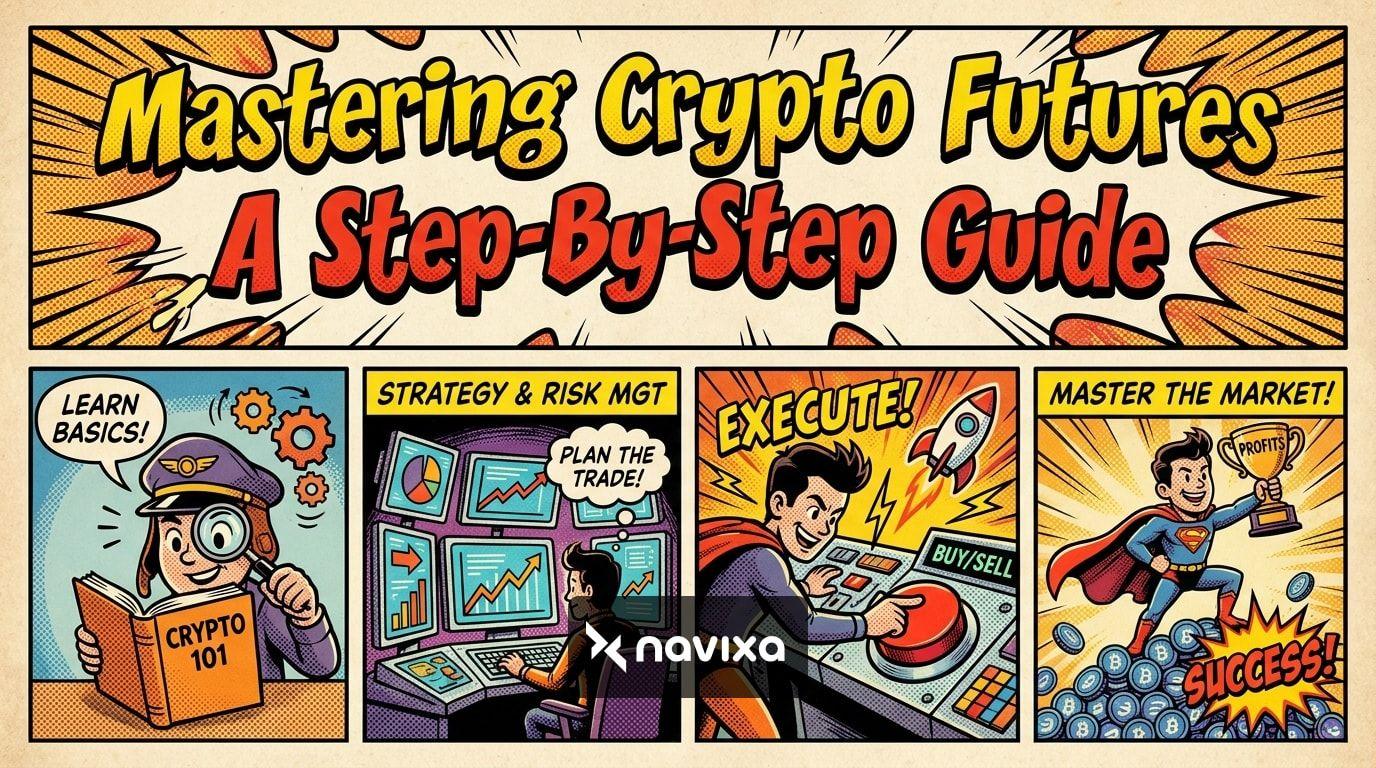


Cryptocurrency trading has evolved from a niche hobby into a sophisticated global financial market. With the approval of Spot ETFs for major assets like Bitcoin and Solana, and clearer regulatory frameworks like the GENIUS Act in the US and MiCA in Europe, the barrier to entry has never been lower. However, ease of access does not guarantee profitability. The market remains volatile, and for beginners, the difference between building wealth and losing capital often comes down to one thing: preparation.
This guide cuts through the noise. We will move beyond the hype to focus on actionable strategies, essential technical analysis, and the risk management protocols professional traders use every day. Whether you are looking to day trade volatility or build long-term positions, understanding the mechanics of cryptocurrency trading for beginners is your first step toward financial independence.
The Modern Crypto Landscape: What Changed in 2026?
Before placing your first order, it is crucial to understand the current environment. The "Wild West" days are fading. Institutional adoption has brought liquidity and stability to top-tier assets, but it has also brought sophisticated algorithms and high-frequency trading bots.
For a beginner, this is good news. Regulated centralized exchanges (CEXs) now offer better security protections, and decentralized exchanges (DEXs) have improved their user interfaces. However, the core principle remains: volatility is a feature, not a bug. Learning to navigate these price swings without emotional reaction is the foundation of successful trading.
Core Concepts Before You Buy
Spot Trading vs. Derivatives
Most beginners should start with Spot Trading. This involves buying the actual asset (e.g., Bitcoin or Ethereum) and holding it in your wallet. You profit if the price goes up. It is simple and carries lower risk because you cannot lose more than your initial investment.
Derivatives (Futures and Options) allow traders to speculate on price movements without owning the asset, often using leverage. While leverage can multiply profits, it can also liquidate your entire account in seconds. Avoid leverage until you have a proven track record of profitability.
Market Orders vs. Limit Orders
Understanding order types is critical to avoiding "slippage" (paying more than expected).
Market Order: Executes immediately at the current best available price. Use this only when speed is more important than the specific price.
Limit Order: You set the specific price you are willing to buy or sell at. The trade only executes if the market hits your price. This is the preferred method for most professional traders as it allows for precise entry and exit planning.
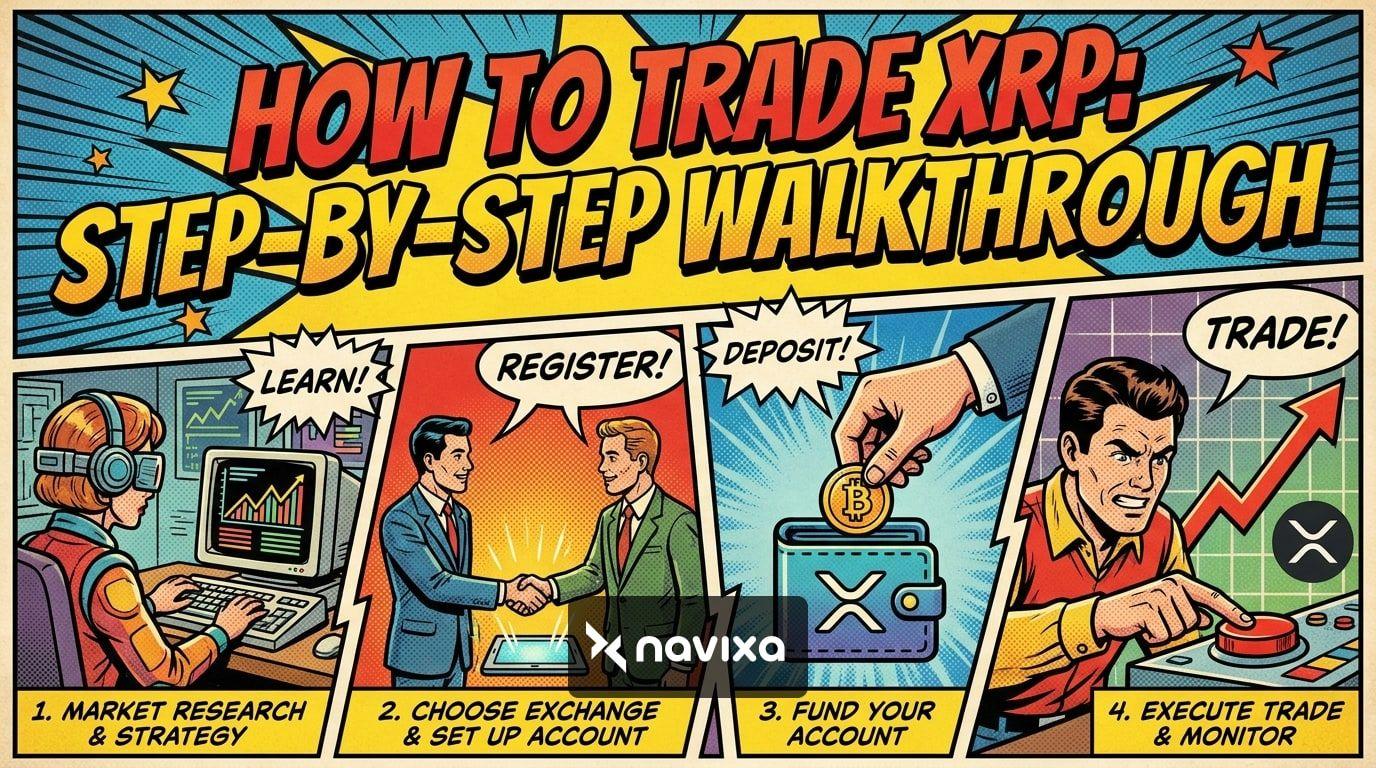
Step-by-Step: Executing Your First Trade
1. Choose a Reputable Exchange
Security is paramount. Look for exchanges that offer Two-Factor Authentication (2FA) via authenticator apps (not SMS), proof of reserves, and compliance with local regulations. Major platforms usually offer the best liquidity, meaning you can buy and sell easily without moving the market price.
2. Fund Your Account
Most beginners fund their accounts using fiat currency (USD, EUR, etc.) via bank transfer. Avoid using credit cards if possible, as they often incur high cash advance fees. Once your funds land, they usually appear as a stablecoin (like USDT or USDC) or a fiat balance, ready to trade.
3. Analyze and Execute
Do not buy blindly. Check the chart. Is the price near a historical high? It might be better to wait for a dip. Once you have a target entry price, set a Limit Order. When the order fills, you officially own cryptocurrency.
Trading Strategies: Finding Your Style
Successful traders do not guess; they follow a system. Your strategy should depend on your time availability, capital, and risk tolerance. Below is a comparison of the most common strategies used in the market today.
| Strategy | Time Horizon | Risk Level | Best For |
|---|---|---|---|
| Scalping | Minutes to Seconds | Very High | Experts with advanced tools & automation |
| Day Trading | Intraday (Hours) | High | Full-time traders who can monitor charts |
| Swing Trading | Days to Weeks | Medium | Beginners & part-time traders |
| DCA (Investing) | Months to Years | Low | Long-term investors avoiding volatility stress |
Why Swing Trading is Ideal for Beginners
For most people starting out, Swing Trading offers the best balance. It involves holding a position for several days or weeks to capture a significant market move. Unlike day trading, you do not need to be glued to your screen for 8 hours. You can analyze the charts in the evening, set your Limit and Stop-Loss orders, and let the market do the work.
Technical Analysis 101: Reading the Charts
You don't need to be a math genius to read a chart. You just need to identify where buyers and sellers are active. You can use free charting software like TradingView to practice identifying these patterns before risking real money.
Support and Resistance
Support is a price level where a coin has historically had difficulty falling below (a "floor"). Resistance is a level it struggles to break above (a "ceiling"). Buying near support and selling near resistance is the most fundamental trading strategy in existence.
Moving Averages (MA)
Indicators like the 50-day and 200-day Moving Averages smooth out price data to show the overall trend. A "Golden Cross" occurs when a short-term average crosses above a long-term average, often signaling a bull run. Conversely, a "Death Cross" can signal a downturn.
Risk Management: The Survival Kit
The golden rule of cryptocurrency trading for beginners is simple: protecting your capital is more important than making a profit. If you lose your chips, you can't play the game.
Use Stop-Losses Religiously
A Stop-Loss is an automatic order to sell if the price drops to a certain level. It ensures that a small bad trade doesn't become a catastrophic one. For example, if you buy Bitcoin at $90,000, setting a stop-loss at $87,000 caps your loss at roughly 3.3%. Never trade without one.
The 1% Rule
Never risk more than 1% to 2% of your total portfolio on a single trade. If you have a $1,000 account, you should not lose more than $10 or $20 on any single position. This strategy ensures you can survive a losing streak—which happens to even the best traders.
Controlling the "Inner Game" (Psychology)
The biggest enemy in trading is not the market; it is FOMO (Fear Of Missing Out) and panic. When prices skyrocket, the urge to buy is overwhelming. When they crash, the urge to sell is intense. Successful traders do the opposite.
"The market is a device for transferring money from the impatient to the patient." — Warren Buffett
Create a trading plan before you open a position. Decide your entry, stop-loss, and take-profit targets in advance. Once the trade is live, stick to the plan. This removes emotion from the equation.
Conclusion: Start Small, Think Big
Learning to trade cryptocurrency is a journey, not a sprint. The market in 2026 offers unprecedented opportunities with better infrastructure and regulation, but the fundamentals of supply, demand, and human psychology remain unchanged. Start with a small amount of capital that you can afford to lose. Practice your technical analysis, refine your risk management, and never stop learning.
For more in-depth data on specific assets and real-time market cap rankings, reliable sources like CoinMarketCap are invaluable for your daily research.