
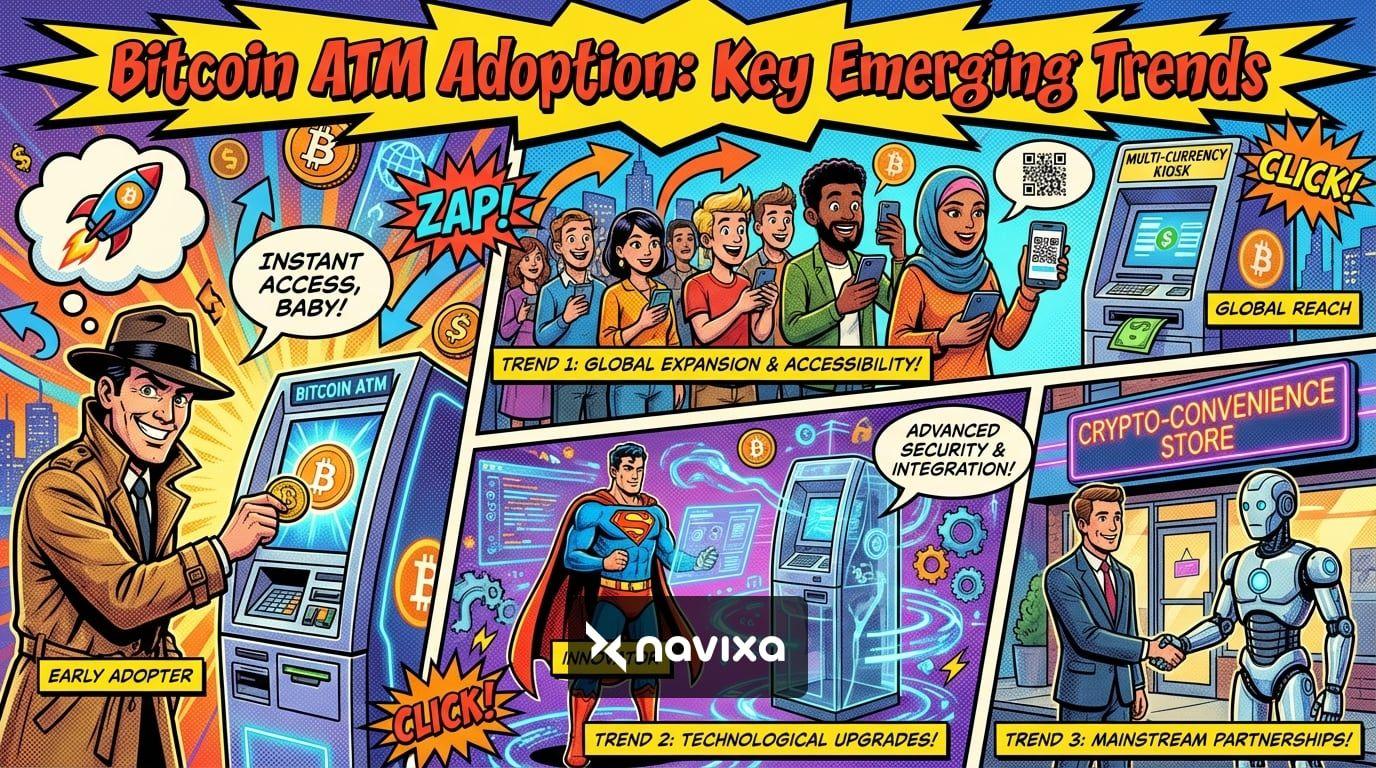
As the global cryptocurrency ecosystem continues to mature, the physical bridge connecting traditional fiat cash to digital assets has never been more critical. Enter the Bitcoin Automated Teller Machine (BTM). Over the past decade, Bitcoin ATM adoption has transformed from a niche technological experiment into a foundational pillar of modern decentralized infrastructure. For the unbanked, the privacy-conscious, and the crypto-curious, these self-service physical kiosks provide an incredibly intuitive, cash-based entry point into the fast-paced world of digital finance.
However, the landscape of cryptocurrency kiosks is shifting rapidly. The era of unchecked, parabolic growth has transitioned into a complex phase defined by strategic consolidation, rigorous regulatory compliance, and dynamic geographic realignment. Understanding the underlying mechanics, inherent risks, and macroeconomic trends driving Bitcoin ATM adoption is essential. Whether you are a retail investor looking to safely execute cash-to-crypto trades or a market analyst evaluating blockchain infrastructure, mastering the nuances of the BTM network offers a distinct edge.
The Current State of Bitcoin ATM Adoption
The overarching narrative surrounding cryptocurrency kiosks today is one of strategic optimization following a period of explosive expansion. While early market cycles saw thousands of machines installed globally with minimal oversight, the current ecosystem reflects a maturing industry focusing on profitability and operational efficiency.
Global Network Growth and Consolidation
Recent data indicates that the global count of active crypto ATMs hovers around the 38,000 to 39,000 mark. The United States maintains a staggering and undisputed dominance in this sector, hosting nearly 78% of all global installations. Despite this commanding lead, the North American market is beginning to show distinct signs of saturation. Recent quarterly analyses reveal slight net reductions in U.S. machine counts as major operators strategically remove underperforming kiosks to double down on high-traffic, high-yield locations like metropolitan transit hubs and popular retail chains.
"Rather than rapid network expansion, operators now appear to be focusing more on optimizing existing footprints and maximizing transaction volume per machine, signaling a transition from aggressive growth to market maturity."
Meanwhile, emerging markets and unexpected European tech hubs are aggressively taking the spotlight. Poland, for instance, has recently surged past early sovereign adopters like El Salvador to become a premier destination for Bitcoin ATM deployment in Europe. This geographic diversification highlights a crucial industry trend: Bitcoin ATM adoption is expanding at the fastest rates in regions where clear regulatory frameworks meet high retail demand for cash-based crypto gateways.
Top Bitcoin ATM Operators and Fee Structures
A relatively small handful of major corporate players currently controls the vast majority of the global BTM market. These leading operators define the everyday user experience, set the industry standards for legal compliance, and determine the fee structures that heavily impact retail traders.
| Operator Name | Global Market Position | Key Features & Support | Estimated Transaction Fees |
|---|---|---|---|
| Bitcoin Depot | Largest (Approx. 23% share) | Nationwide U.S. presence, multi-coin support | 10% - 20% |
| CoinFlip | Second Largest | 24/7 customer support, high network uptime | 8% - 15% |
| Athena Bitcoin | Prominent in U.S. & LatAm | Two-way (Buy/Sell) capabilities | 10% - 20% |
| RockItCoin | Strong U.S. Footprint | Cash-only focus, premium user interface | 12% - 25% |
*Note: The transaction fees listed above are highly variable. They typically encompass blockchain mining network fees, operator profit margins, physical maintenance overhead, and exchange spread markups.*
Strategic Usage: Actionable Steps for Crypto Investors
Executing a transaction at a Bitcoin ATM is fundamentally different from buying digital assets on a centralized online exchange. The physical process is designed to mimic traditional fiat ATMs but inherently requires a basic understanding of self-custody wallets and blockchain network settlement.
How to Execute a Trade at a Kiosk
If you are incorporating BTMs into your broader cryptocurrency trading strategy or simply making your very first digital asset purchase, follow these actionable steps to ensure a secure and smooth transaction:
1. Prepare a Non-Custodial Wallet: Before you even approach a machine, download a reputable non-custodial software wallet to your mobile device. Ensure you have your receiving address readily available via a generated QR code. 2. Verify Operator Requirements: Depending on the transaction size and local jurisdiction laws, you will likely need a government-issued ID or a verified phone number to complete the mandatory Know Your Customer (KYC) identity process. 3. Scan and Deposit: Select your desired cryptocurrency (such as Bitcoin, Ethereum, or Litecoin) on the touch screen, scan your wallet's QR code at the optical scanner, and feed your fiat cash into the bill acceptor. 4. Confirm Network Settlement: Once the machine issues a physical or SMS receipt, the transaction is broadcast to the respective blockchain. Wait for the required network confirmations before moving the funds or engaging in active spot trading.
Technical Analysis of the ATM Network
From a technical analysis and macroeconomic perspective, the BTM market's growth chart beautifully mirrors the classic technology adoption lifecycle. The initial "innovator" and "early adopter" phases brought exponential installation spikes. Today, a technical analysis of the ATM network reveals a distinct plateau, indicative of the "early majority" phase transitioning into long-term market consolidation.
Institutional investors analyzing blockchain infrastructure often look at ATM deployment metrics as a reliable lagging indicator of retail crypto sentiment. A sustained surge in cash-to-crypto kiosk volume typically correlates with late-stage bullish market cycles, whereas widespread machine removals or operator consolidations often lag behind prolonged bearish macroeconomic trends.
Navigating Regulatory Compliance and Risk Management
The direct intersection of decentralized digital money and physical, untraceable cash naturally attracts intense regulatory scrutiny from global financial watchdogs. Governments worldwide view money transmission as a high-risk sector, requiring operators to implement rigorous compliance and risk management programs.
KYC, AML, and Global Regulations
In the United States, Bitcoin ATM operators are legally classified as Money Services Businesses (MSBs). By law, they must register with federal authorities and adhere strictly to the Bank Secrecy Act (BSA). This involves implementing robust Anti-Money Laundering (AML) and Know Your Customer (KYC) protocols to prevent illicit financial activities.
In Europe, the regulatory environment is similarly stringent. The implementation of the overarching Markets in Crypto-Assets (MiCA) regulation and the European Anti-Money Laundering Directives have established mandatory identity verification for digital asset transactions. This regulatory tightening has significantly reduced the complete anonymity that was once a major selling point of these machines. Furthermore, jurisdictions like the United Kingdom have taken an aggressively restrictive stance, actively shutting down unregistered machines to protect local consumers.
Operators who successfully navigate this complex, ever-changing regulatory web are the ones securing long-term operational viability. To track the real-time geographic distribution of these regulated machines globally, platforms like Coin ATM Radar provide invaluable, dynamically updated deployment data for researchers and users alike.
Risk Management: Managing High Fees and Scams
While the convenience of a physical crypto kiosk is incredibly appealing, it introduces a unique set of financial and security risks that users must actively manage. Effective risk management is paramount to avoid capital erosion and to prevent falling victim to sophisticated social engineering attacks.
The most prominent barrier to widespread, everyday Bitcoin ATM adoption is the exorbitant fee structure. Unlike centralized online exchanges that charge fractions of a single percent, BTMs can charge anywhere from 4% to upwards of 25% per transaction.
Risk Management Strategy: Treat Bitcoin ATMs strictly as a tool of ultimate convenience, accessibility, or immediate cash conversion, not as a primary vehicle for high-frequency day trading or large-scale institutional accumulation. Always calculate the exact fiat-to-crypto conversion rate offered on the machine's screen and compare it to the real-time spot price on your mobile device before inserting any cash.
Additionally, Bitcoin ATMs have unfortunately become a popular tool for malicious actors. Fraudsters often use high-pressure social engineering tactics, impersonating government tax agencies or utility companies, to coerce victims into depositing cash into a BTM and sending the newly purchased funds to a scammer's unrecoverable digital wallet. For further reading on how the government protects consumers from financial fraud and money laundering schemes, you can review the extensive guidelines provided by the Financial Crimes Enforcement Network (FinCEN).
Practical Takeaways
* Strategic Network Growth: Global ATM counts have stabilized near 39,000 machines, representing a paradigm shift from aggressive territorial expansion to the strategic optimization of existing operational networks. * Geographic Shifts: While the U.S. continues to hold the lion's share of active machines, emerging markets and specific European nations like Poland are experiencing rapid, sustainable infrastructure growth. * Cost vs. Convenience: The notably high transaction fees (frequently ranging from 10% to 20%) make ATMs ideal for unbanked access and unparalleled convenience, but highly unsuitable for frequent or large-scale active trading strategies. * Regulatory Compliance is Mandatory: KYC and AML protocols are now the undeniable industry standard worldwide, ensuring vital consumer protection but effectively eliminating the total financial anonymity previously associated with BTMs. * Security First: Users must remain highly vigilant against social engineering scams and manually verify real-time market exchange rates before executing any physical trade.
Conclusion
The historical trajectory of Bitcoin ATM adoption serves as a fascinating and accurate barometer for the broader cryptocurrency industry. As the initial novelty of physical crypto kiosks fades, what remains is a maturing, highly regulated financial infrastructure that successfully bridges the historical gap between physical fiat cash and decentralized digital assets. While undeniably high fees and tightening global regulations have forced the market to consolidate and mature, the fundamental value proposition of accessible, cash-based crypto entry remains incredibly robust.
For everyday retail users, staying continuously educated on prevailing fee structures and advanced security protocols is paramount to protecting capital. For investors and infrastructure operators, seamlessly adapting to the shifting regulatory and geographic landscape will heavily dictate future market profitability. As advanced blockchain technology continues to deeply integrate into traditional mainstream finance, Bitcoin ATMs will undeniably play a foundational role in onboarding the next massive wave of global crypto users. Embrace the unprecedented convenience they offer, but always trade with caution, diligence, and extensive market knowledge.
Frequently Asked Questions
What is a Bitcoin ATM and how does it exactly work?
A Bitcoin ATM (frequently referred to as a BTM) is a physical, self-service kiosk that allows users to quickly purchase—and sometimes sell—cryptocurrencies like Bitcoin using physical fiat cash or debit cards. Unlike traditional banking ATMs that connect directly to a centralized bank account, BTMs connect to a cryptocurrency exchange to seamlessly facilitate the trade, routing the purchased digital assets straight to your personal software or hardware wallet via a quickly scanned QR code.
Why are the transaction fees at Bitcoin ATMs so high compared to online exchanges?
Fees at crypto ATMs typically range from a minimum of 4% up to 25%. This high markup is necessary to account for the significant overhead and operational costs operators face. These ongoing expenses include physical machine maintenance, high-security cash collection and armored transportation logistics, premium real estate leasing for the kiosk space, and the extensive legal costs directly associated with strict regulatory compliance (KYC/AML) programs.
Do I need to provide official ID to use a Bitcoin ATM today?
Yes, in the vast majority of global jurisdictions today, you will need to provide some form of verifiable identification. Due to strict Anti-Money Laundering (AML) regulations actively enforced worldwide, operators usually require identity verification. This can range from verifying a simple mobile phone number for small-scale transactions to requiring a government-issued ID scan and biometric facial recognition for much larger transaction volumes.
Can I instantly sell my Bitcoin for physical cash at these machines?
Some specific machines, known within the industry as "two-way" ATMs, do allow you to sell your stored cryptocurrency for physical fiat cash. However, these are notably less common than standard "one-way" (buy-only) machines due to the heavily increased logistical complexities, higher security risks, and intense regulatory burdens strictly associated with dispensing physical cash to the public.
Are Bitcoin ATMs fundamentally safe to use for beginners?
Using the physical machine itself is generally very safe and highly secure, provided that you carefully follow the on-screen instructions and double-check the network rates before confirming. However, the primary risks associated with BTMs involve external social engineering scams where sophisticated fraudsters trick vulnerable victims into depositing money into a BTM and sending the crypto to the scammer's wallet. Always ensure you are sending your purchased funds strictly to a digital wallet you personally control and verify.