
Introduction
When the markets bleed and asset prices crash, most investors panic. But for the elite few who have mastered VIX trading psychology, extreme volatility is not a source of fear—it is a landscape of unparalleled opportunity. Originally created by the Chicago Board Options Exchange (CBOE), the Volatility Index (VIX) is universally recognized as the stock market's "fear gauge." However, the principles of trading the VIX have rapidly transcended traditional equities. Today, cryptocurrency traders utilize similar metrics, such as the Crypto Volatility Index (CVI) and Deribit's DVOL, to navigate the digital asset space's notorious price swings.
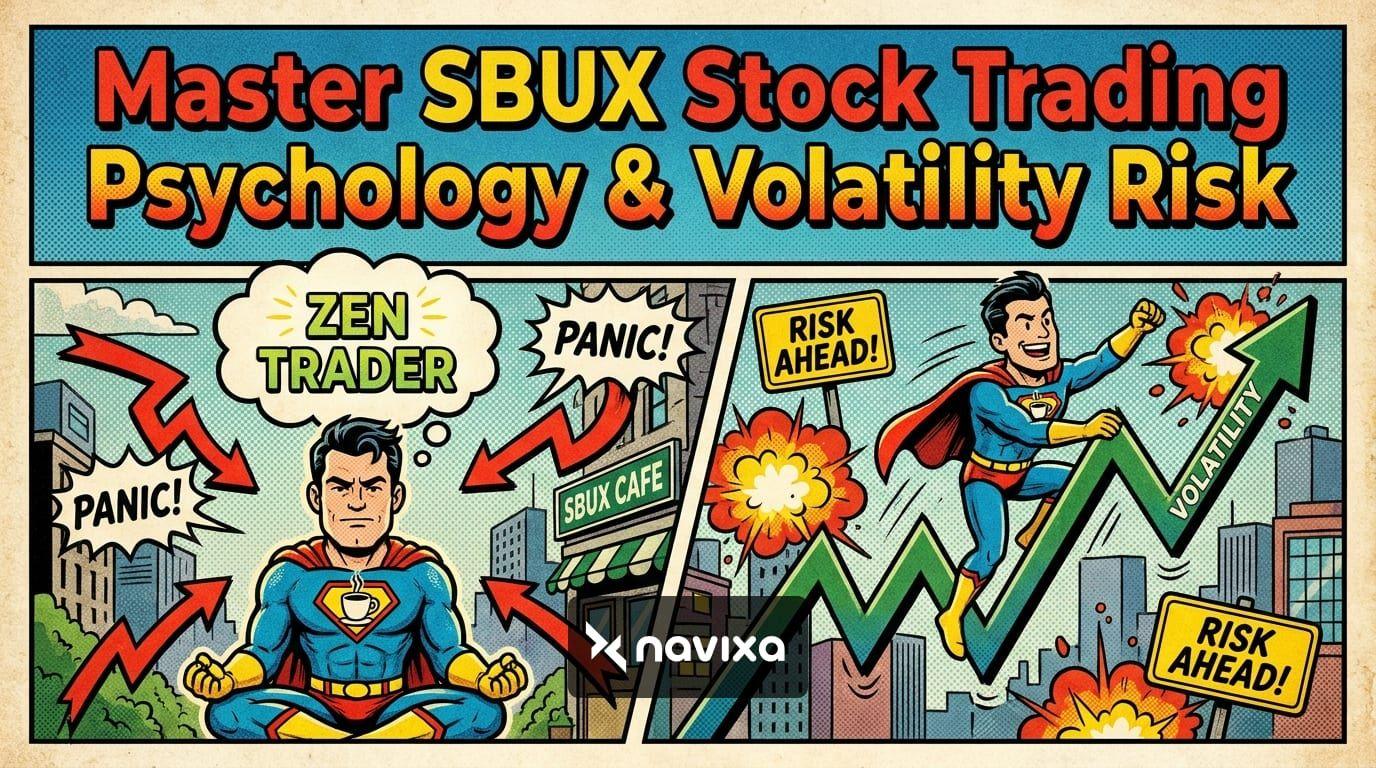
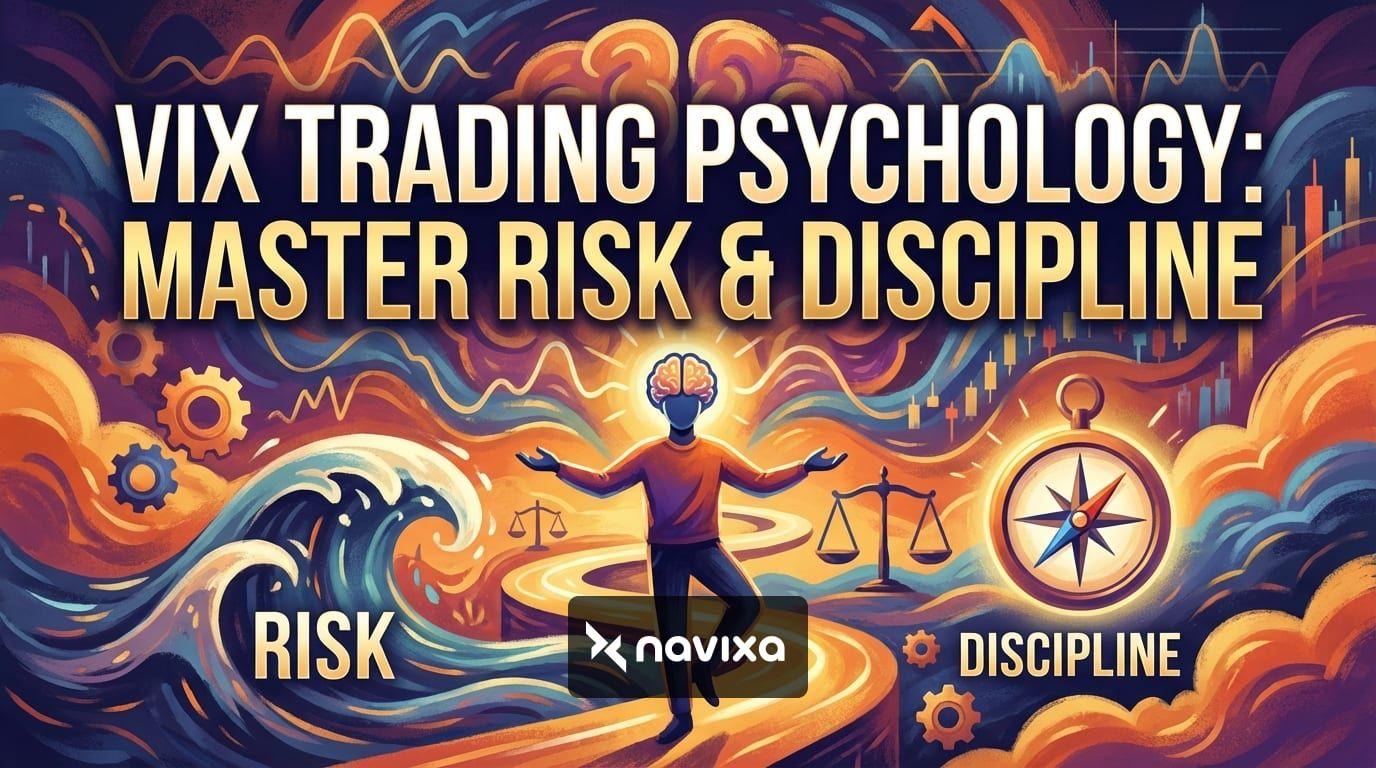
Understanding the mathematical mechanics of volatility is only half the battle; the real edge lies in your mind. The psychological toll of watching a portfolio swing violently can break even the most seasoned trader. VIX trading psychology is the rigorous discipline of maintaining emotional equilibrium when implied volatility spikes and the masses are panic-selling. This article explores how to master your mindset, manage risk, and leverage fear indexes to build a robust, profitable trading strategy in both traditional and cryptocurrency markets.
The Core of VIX Trading Psychology
Trading volatility is fundamentally different from trading directional assets like blue-chip stocks or Bitcoin. When you trade volatility, you are essentially trading human emotion—specifically, the primal instincts of fear and greed.
When the VIX or its crypto equivalent, the DVOL, surges rapidly, it indicates that options traders are willing to pay a massive premium for downside protection. This sudden spike in implied volatility almost always coincides with steep market corrections. For the unprepared retail trader, a sudden drop in portfolio value triggers the amygdala, the brain's fear center. This physiological stress response pushes traders to abandon their well-thought-out logical strategies and liquidate positions at exactly the wrong time.
"The stock market is a device for transferring money from the impatient to the patient. To trade volatility successfully, you must actively decouple your emotions from the market's immediate hysteria."
Mastering VIX trading psychology means recognizing this collective panic and actively doing the exact opposite of what your biological instincts dictate. It requires you to view a VIX spike not as an existential threat to your capital, but as a quantifiable, objective metric of market sentiment. If the DVOL hits an elevated level—for example, surging past 70 during a violent Bitcoin market flush—an emotionally disciplined trader sees an environment rich with overpriced options premiums to sell, or a potential local bottom forming in the underlying asset.
Overcoming The Mental Traps of High Volatility
To thrive in high-volatility environments, traders must identify and neutralize the cognitive biases that routinely destroy profitability.
Recency Bias
Recency bias leads traders to inherently believe that the current market condition will persist indefinitely. When Bitcoin drops 15% in a single day and the DVOL spikes, traders deeply affected by recency bias assume the market will continue to crash to zero. They buy expensive put options at the exact moment volatility is peaking. A true master of VIX trading psychology understands that volatility is an inherently mean-reverting asset class. What goes up aggressively usually comes down just as violently. Buying volatility at its peak is a surefire way to bleed capital through a phenomenon known as "volatility crush."
Confirmation Bias
During chaotic market moves, traders often seek out news that confirms their existing fears or hopes. If the market is dropping, they scroll endlessly through social media looking for doom-and-gloom macroeconomic predictions. This echo chamber distorts reality and heightens anxiety. By strictly adhering to volatility data—such as monitoring the put-call ratio, open interest, or analyzing the options term structure—you rely on mathematical probabilities rather than sensationalist headlines.
VIX Trading Strategy: Traditional Markets vs. Crypto
While the foundational psychological principles remain the same, the application of volatility trading differs significantly between traditional finance (TradFi) and the cryptocurrency ecosystem.
In TradFi, the VIX measures the 30-day expected volatility of the S&P 500. It is heavily influenced by macroeconomic data, central bank interest rate policies, and corporate earnings reports. In the crypto realm, the market never sleeps. Instruments like the Deribit Volatility Index (DVOL) and the Crypto Volatility Index (CVI) measure the 30-day implied volatility of Bitcoin and Ethereum options.
Recent market events heavily underscore the importance of these crypto volatility indexes. For example, during massive options expiries where tens of billions of dollars in notional value roll off the books, crypto volatility metrics provide crucial insights. Even when put-to-call ratios lean heavily toward calls, underlying tension often reveals itself in the DVOL's subtle movements. Traders who closely monitor these metrics can anticipate whether a massive expiry will result in a violent "pain trade" squeeze or a muted, controlled event. For deeper insights into traditional volatility mechanics, you can review Investopedia's guide to the VIX.
Technical Analysis & Volatility Indicators
A robust VIX trading psychology relies heavily on technical analysis to ground emotional decisions in objective, undeniable data. Two primary concepts must be deeply understood by the trader:
Implied vs. Realized Volatility: Realized volatility looks backward at how much an asset has actually moved over a given timeframe, while implied volatility (what the VIX and DVOL measure) looks forward at what the market *expects* the asset to do. When implied volatility trades at a massive premium to realized volatility, it usually indicates irrational fear—a prime psychological setup for contrarian trading.
Volatility Term Structure: The term structure of volatility refers to the pricing of near-term options versus long-term options. In a healthy, upward-trending market, it is typically in "contango" (meaning long-term volatility is priced higher than short-term). During a market panic, the structure inverts into a state called "backwardation." Psychologically, an inverted term structure is the ultimate indicator of peak fear. For traders interested in how the crypto derivatives market prices this real-time fear, checking the Deribit Volatility Index can provide actionable data on these critical term structures.
Comparison: Traditional VIX vs. Crypto Volatility Indexes
Understanding the technical differences helps reinforce the correct trading psychology for the specific asset class you are navigating.
| Feature | Traditional VIX | Crypto Volatility Indexes (DVOL / CVI) |
|---|---|---|
| Underlying Asset | S&P 500 Index Options | Bitcoin / Ethereum Options |
| Trading Hours | Traditional Market Hours (M-F) | 24/7 / 365 Days a Year |
| Volatility Baseline | Generally ranges between 10 and 30 | Generally ranges between 40 and 80 |
| Market Drivers | Central bank rates, GDP, equity earnings | Macro events, regulatory news, liquidations |
| Primary Use Case | Broad equity market fear gauge | Crypto-specific sentiment and portfolio hedging |
Actionable Steps for Volatility Traders
Developing an ironclad VIX trading psychology requires highly actionable frameworks. You cannot simply decide to "be less emotional" and expect results. You must purposefully build rigorous systems that actively prevent emotions from dictating your trades.
1. Pre-Define Your Volatility Thresholds: Before entering any trade, look at the historical context of the volatility index you are using. If Bitcoin's DVOL is sitting comfortably at 45 (indicating relative market complacency) versus a spiked level of 85 (indicating extreme stress and panic), your strategy should automatically adjust. Buy options when volatility is cheap; sell options or accumulate long-term spot positions when volatility is expensive. 2. Embrace the "Max Pain" Theory: In options trading, the "max pain" price is the strike price at which the greatest number of options contracts will expire completely worthless. Markets possess a strange, structural magnetism toward these levels during expiration weeks. When retail traders are hyper-emotional and panicking, institutional market makers are rationally hedging toward max pain. Align your psychology with the cold, calculating market makers, not the emotional retail crowd. 3. Automate Your Exits and Entries: High volatility inherently means high slippage and rapid price reversals. A psychologically disciplined trader utilizes automated stop-losses and take-profit limit orders. When you manually hover over the "sell" button during a flashing red crash, your psychology is heavily compromised. Automation completely removes the heavy burden of real-time, stress-induced decision-making.
Risk Management in High-Volatility Environments
You can possess the best trading psychology in the world, but if your risk management is fundamentally flawed, a single volatility spike will wipe you out completely. In the high-stakes realm of VIX and DVOL trading, risk management is your ultimate psychological anchor.
Dynamic Position Sizing: In a low-volatility environment, you might safely allocate 5% of your total portfolio to a single directional trade. In a high-volatility environment, that exact same 5% allocation carries exponentially more risk because the asset's daily price swings are drastically wider. A psychologically sound trader automatically reduces their position size as volatility expands. This ensures that your portfolio's overall dollar-risk remains entirely constant, allowing you to sleep peacefully at night regardless of market turbulence.
Hedging with Options: True professionals use volatility indexes not just as trading signals, but as vital hedging tools. If you are heavily long on Bitcoin, purchasing a small strategic allocation of CVI tokens or out-of-the-money put options acts as an insurance policy. Knowing absolutely that your downside is capped mathematically frees your mind from the intense anxiety of a sudden, catastrophic market collapse.
Practical Takeaways
* Volatility is Mean-Reverting: Spikes in fear indexes are almost always temporary. Avoid buying into peak panic, as the drop-off in premium pricing is often brutal. * Track the Spread: Consistently compare implied volatility against realized volatility to spot irrational market fear or excessive greed. * Size Down During Chaos: The higher the VIX or DVOL climbs, the smaller your active position sizes should become to maintain risk parity. * Automate to Survive: Leverage limit orders and automated stop-losses to vigorously protect yourself from your own emotional reactions during unpredictable flash crashes. * Understand the Term Structure: Monitor contango and backwardation meticulously to identify underlying structural shifts in broader market sentiment.
Frequently Asked Questions
What is VIX trading psychology?
VIX trading psychology refers to the mental discipline required to trade effectively in highly volatile market environments. It involves managing the deep emotional impulses of fear and greed, understanding personal cognitive biases, and using volatility indexes to make objective, data-driven decisions rather than emotionally reactive ones.
How does the traditional VIX correlate with the crypto market?
While the traditional VIX specifically tracks the S&P 500, it serves as a macro indicator for overarching global market sentiment. During severe liquidity crises or widespread macroeconomic shocks, the correlation between traditional equities and cryptocurrencies often approaches 1. A spiking VIX usually signals a flight to safety, triggering rapid sell-offs in risk-on digital assets like Bitcoin.
What are the crypto equivalents to the VIX?
The primary cryptocurrency equivalents to the VIX are the Deribit Volatility Index (DVOL), which accurately tracks the 30-day implied volatility of Bitcoin and Ethereum options, and the Crypto Volatility Index (CVI), a decentralized volatility index built explicitly for the DeFi ecosystem.
How can I manage my emotions during extreme market volatility?
The absolute best way to manage emotions is through rigorous, predefined preparation. This includes pre-setting your maximum risk limits, deliberately reducing position sizing when volatility naturally expands, strictly relying on automated stop-loss and take-profit orders, and tracking objective data like options skew rather than listening to panicked social media hype.
Conclusion
Mastering VIX trading psychology is undoubtedly the ultimate test of a trader's resilience and longevity. Whether you are actively observing the traditional VIX to gauge macroeconomic fear or meticulously monitoring the DVOL to time the cryptocurrency market's bottoms, the core lesson remains unchanged: extreme volatility is simply the financial manifestation of mass human emotion.
By deeply understanding your own psychological triggers, implementing strict risk management protocols, and relying on hard data rather than biological instinct, you can completely transform market panic into consistent, predictable profitability. Stop letting fear dictate your portfolio's performance. Start trading the volatility properly, master your mindset, and take absolute control of your financial future today.