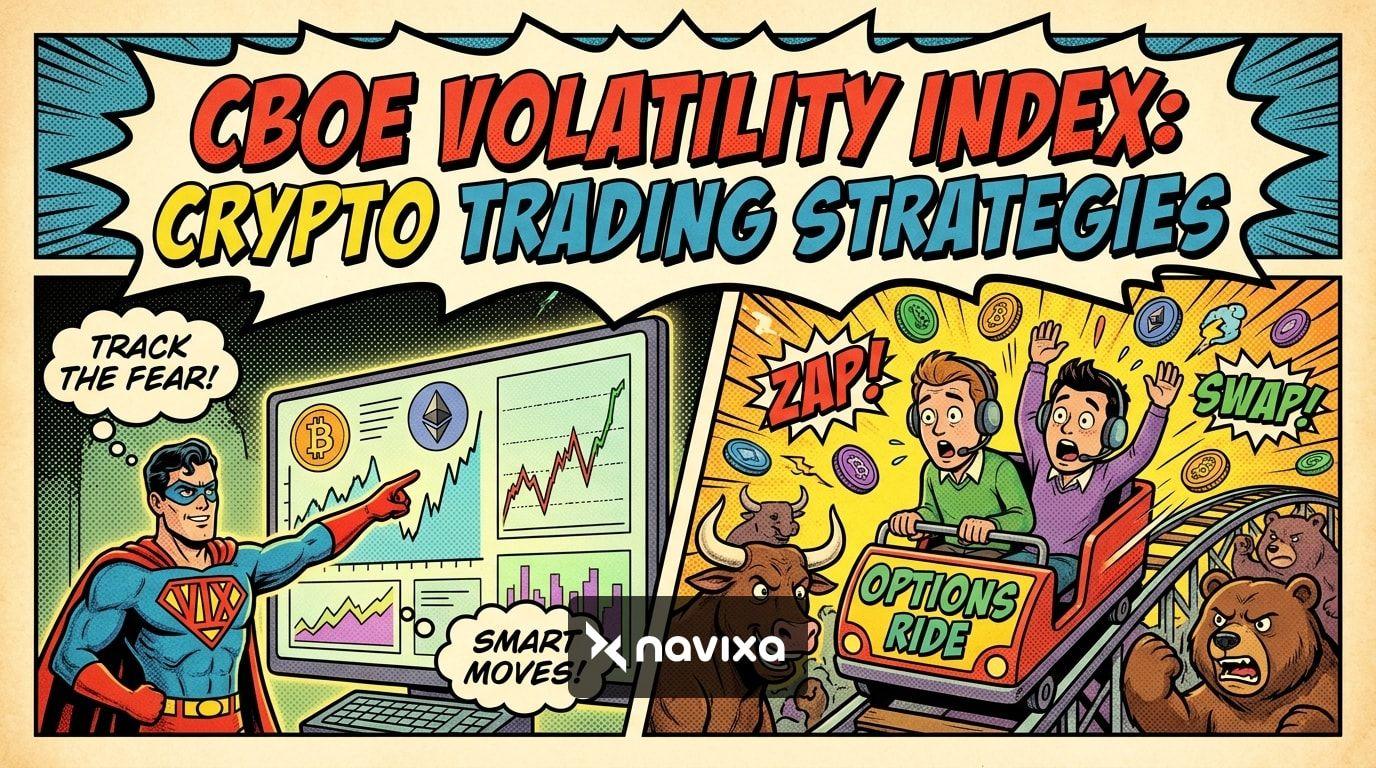

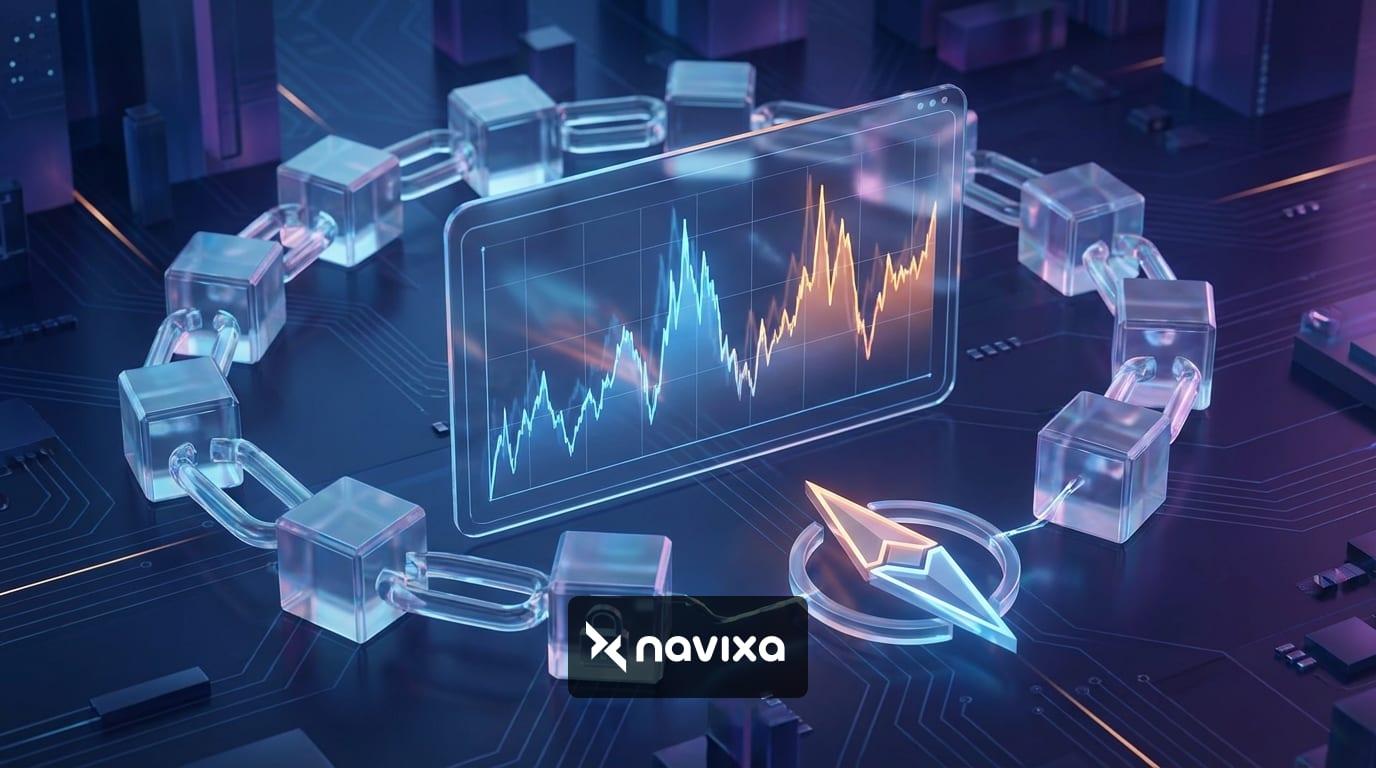
Volatility is the heartbeat of the cryptocurrency market. For years, traditional stock market investors have relied on the CBOE Volatility Index (VIX)—often called the "fear gauge"—to hedge their portfolios against crashes or to speculate on market panic. In the world of blockchain, a similar need has given rise to the Crypto Volatility Index (CVI). This decentralized instrument brings the sophistication of Wall Street's favorite risk management tool directly to DeFi, allowing traders to profit from market turbulence without needing to guess the direction of the price.
As we navigate the market landscape of 2026, the ability to trade volatility directly on-chain has evolved from a niche experiment to a critical strategy for institutional and retail traders alike. Whether you are looking to hedge your Ethereum holdings against a sudden drawdown or simply want to capitalize on a breakout, understanding how to trade the "Crypto VIX" is essential. This guide explores the mechanics of the CVI, compares it with key competitors like Volmex Finance, and outlines actionable strategies to turn market fear into profit.
What is the Crypto Volatility Index (CVI)?
The Crypto Volatility Index (CVI) is a decentralized index that tracks the 30-day implied volatility of leading cryptocurrencies, primarily Bitcoin (BTC) and Ethereum (ETH). Just as the traditional VIX measures expected volatility in the S&P 500 using options prices, the CVI analyzes the premium traders are willing to pay for crypto options to gauge future market fluctuations.
Unlike standard tokens that move up or down based on buying pressure, the CVI ranges between 0 and 200. A high CVI reading (typically above 85-90) indicates extreme fear or expectation of massive price swings, while a low reading suggests complacency or a stable market. For traders, this creates a unique opportunity: you can buy Volatility Tokens (like CVI or ETHVOL) that increase in value when the market gets choppy, regardless of whether prices are crashing or rocketing upwards.
How CVI Works Under the Hood
The CVI index is calculated using a modification of the Black-Scholes option pricing model. It aggregates data from dominant external options exchanges—such as Deribit, which continues to command the lion's share of crypto options volume in 2026. By analyzing the prices of put and call options, the protocol estimates the "implied volatility"—essentially, how much the market expects prices to move over the next 30 days.
This data is fed on-chain via oracles (like Chainlink), allowing decentralized platforms like CVI Finance to mint tokens that track this index. When you buy a volatility token, you are essentially taking a long position on fear. If the market crashes the next day, implied volatility typically spikes, and your volatility token gains value, offsetting losses in your spot portfolio.
Comparison: CVI Finance vs. Volmex vs. Traditional VIX
While CVI Finance was a first mover, the landscape in 2026 includes robust competitors like Volmex Finance. Volmex offers its own implied volatility indices, BVIV (Bitcoin) and EVIV (Ethereum), which have become industry standards for benchmarking. Understanding the differences between these protocols and the traditional VIX is crucial for selecting the right instrument.
| Feature | CVI Finance (GOVI) | Volmex Finance (BVIV/EVIV) | Traditional VIX (CBOE) |
|---|---|---|---|
| Underlying Asset | Crypto Options (BTC & ETH) | Crypto Options (BTC & ETH) | S&P 500 Options |
| Trading Availability | 24/7 Decentralized (DEX) | 24/7 Decentralized & Perps | Market Hours (Traditional) |
| Mechanism | Volatility Tokens (Rebase/Funding) | Volatility Tokens & Perp Futures | Futures & Options |
| Governance Token | GOVI (Staking & Fees) | Points / Future Governance | None (Index only) |
| Best Use Case | Hedging Impermanent Loss | Pure Volatility Speculation | Stock Market Hedging |
CVI Finance is often preferred for its user-friendly "swap" interface and direct hedging against impermanent loss for DeFi liquidity providers. In contrast, Volmex has gained traction among professional traders for its perpetual futures markets, allowing for more capital-efficient leverage on volatility indices.
Trading Strategies for the 2026 Market
With the crypto market maturing—evidenced by the widespread adoption of BTC and ETH ETFs—volatility patterns have shifted. Sudden 30% daily drops are less common than in 2020, but "event-driven" volatility is more precise. Here are three strategies to trade the VIX on the blockchain effectively.
1. The "Black Swan" Hedge
This is the most common use case for the CVI. If you hold a significant amount of Bitcoin or Ethereum and fear a macroeconomic shock (e.g., regulatory news or interest rate hikes), you can buy CVI tokens instead of selling your crypto.
If the market crashes, panic selling drives up option premiums, causing the CVI index to spike. The profit from your CVI position can offset the paper losses in your main portfolio. This strategy is particularly effective when the CVI is trading at historical lows (below 60), as the cost of insurance is cheap relative to the potential payout.
2. Mean Reversion Shorting
Volatility is essentially mean-reverting. Unlike asset prices, which can trend up indefinitely, volatility cannot stay at extreme highs forever. When the CVI spikes to extreme levels (e.g., above 110 or 120) following a crash, it is often a signal that maximum fear has been reached.
A sophisticated strategy involves shorting volatility tokens or opening a short position on volatility futures (via platforms like Volmex) once the panic begins to subside. As the market stabilizes, implied volatility is "crushed," and the index returns to its baseline, generating profit for the short seller.
3. Impermanent Loss Protection
For DeFi yield farmers, impermanent loss (IL) is a constant threat. IL occurs when the prices of tokens in a liquidity pool diverge significantly. Interestingly, IL risk is highly correlated with volatility. CVI Finance offers specific products designed to hedge this risk. By allocating a small portion of yield farming rewards to buy CVI tokens, liquidity providers can create a "delta-neutral" hedge that pays out exactly when their liquidity positions are suffering from high volatility divergence.
Technical Analysis of the CVI
Analyzing the CVI chart requires a different mindset than analyzing a price chart. You aren't looking for "higher highs" in the same way. Instead, look for:
• The Floor: Identify the historical base level (often around 50-60 in crypto). Buying when the CVI touches this floor is a low-risk entry for long volatility positions.
• Divergence: If Bitcoin price is rising but the CVI is also rising, it indicates traders are nervous about the rally and are buying protection. This "fear in a rally" is often a bearish divergence signaling a potential reversal.
• The Spike: In 2026, algorithmic trading bots often trigger massive volatility spikes within minutes of breaking news. Traders using limit orders to sell CVI tokens at predefined high levels (e.g., 100+) can capture these wicks before the market stabilizes.
Risks of Trading Volatility
While powerful, trading the CVI is not without risks. The most prominent is volatility drag (or decay). Volatility tokens often use rebalancing mechanisms or funding fees to maintain their peg to the index. In sideways markets where volatility remains low for weeks, the value of these tokens can bleed out due to fees and rebalancing costs. Therefore, CVI tokens are best used for short-term tactical trades or hedges, rather than long-term "buy and hold" investments.
Conclusion: Is the CVI Right for You?
The Crypto Volatility Index represents a maturation of the DeFi space, offering tools that were previously the exclusive domain of institutional derivatives desks. For the average trader, it serves as an invaluable alarm system; for the sophisticated pro, it's a new asset class to generate alpha.
As we move further into 2026, the correlation between crypto and macro markets continues to tighten. Having a "fear gauge" in your trading toolkit is no longer a luxury—it's a necessity. Start by monitoring the CVI during key economic events, paper trade the swings, and consider adding volatility tokens to your arsenal to weather the next market storm.