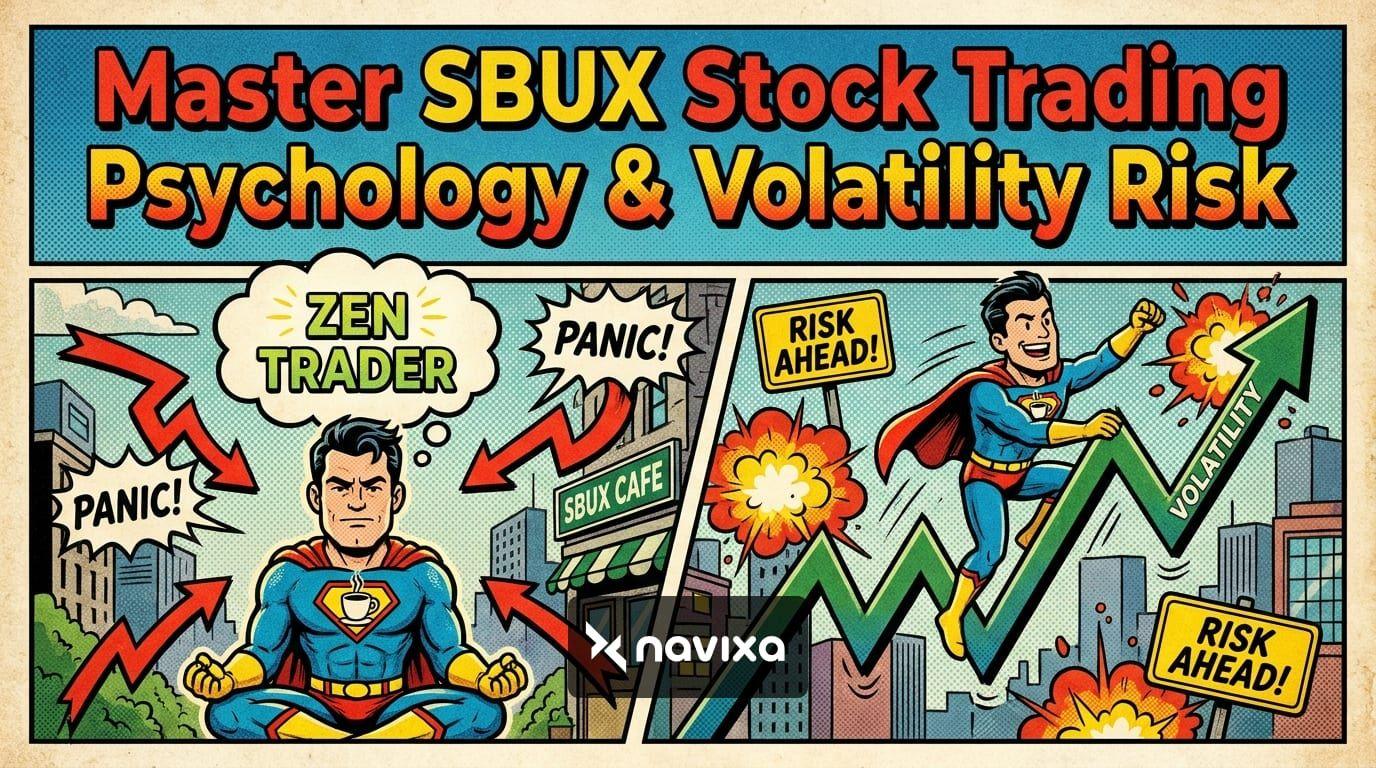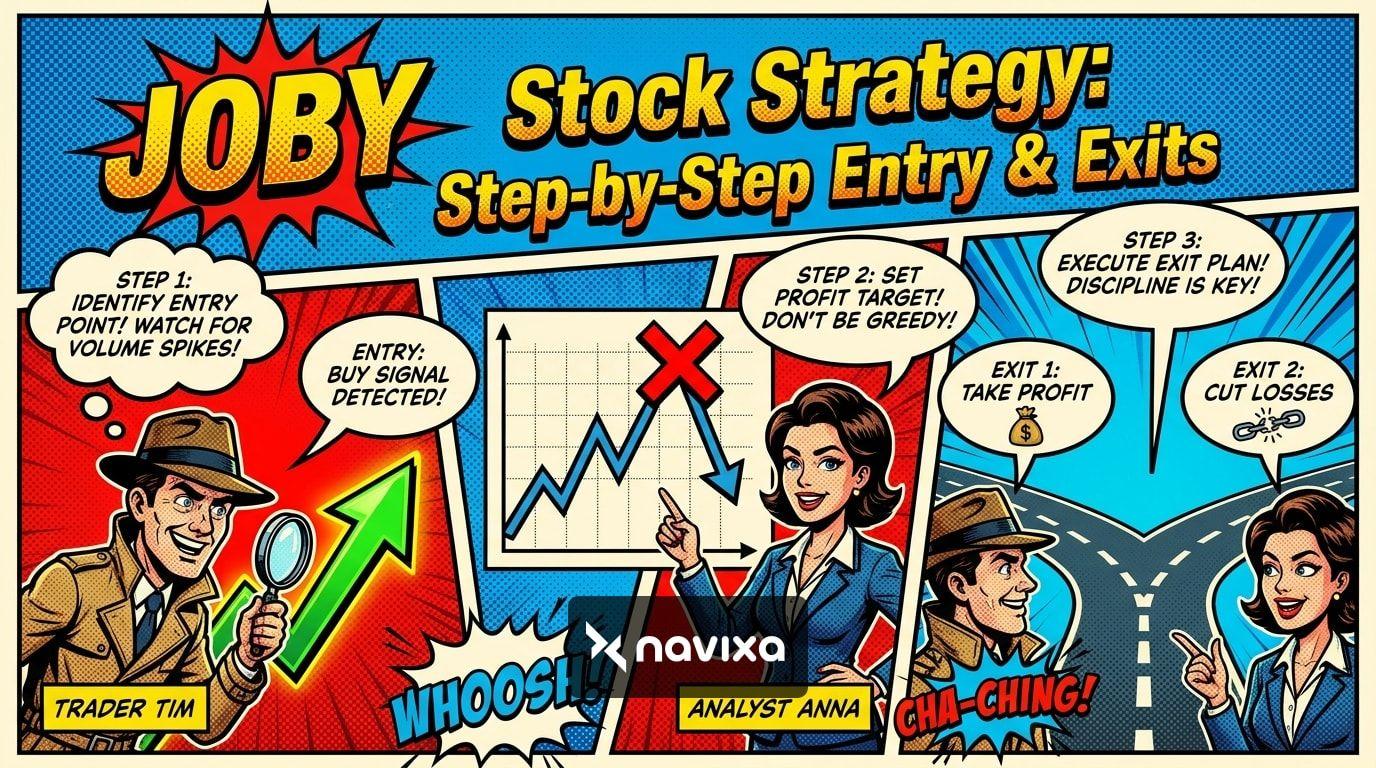


Introduction: The Ultimate Test of Allbirds Stock Trading Psychology
When a publicly traded company undergoes a radical, unprecedented transformation, the resulting market reaction can be violently unpredictable. Recent market events have turned Allbirds (NASDAQ: BIRD)—once a darling of the sustainable footwear movement—into an overnight anomaly that has captivated retail and institutional traders alike. Following the shocking corporate announcement to sell its legacy footwear assets and pivot entirely into AI compute infrastructure (with plans to rebrand as "NewBird AI"), the stock experienced unprecedented intraday swings. In a single session, shares skyrocketed over 500%, fluctuating wildly between extreme lows and dizzying highs.
For active day traders and swing traders, navigating this type of explosive, news-driven price action requires significantly more than just a passing glance at technical indicators or a basic understanding of market fundamentals. It demands an ironclad grasp of Allbirds stock trading psychology. Extreme market volatility can easily and rapidly trigger emotional decision-making, leading to devastating portfolio losses if structural risk management and trading discipline are ignored.
In this comprehensive guide, we will break down the complex psychological hurdles of trading highly volatile transition stocks, establish firm risk management rules to protect your equity, and provide actionable, battle-tested strategies to help you maintain absolute discipline when the market descends into chaos.
The History and Context: From Wool Shoes to AI Infrastructure
To truly understand the psychological forces at play, traders must look at the historical context of the asset. Allbirds made its highly anticipated initial public offering (IPO) in 2021, riding a massive wave of consumer enthusiasm for sustainable retail. At its peak, the stock commanded premium valuations. However, over the subsequent years, changing consumer trends, increased competition, and cash burn led to a brutal, sustained downtrend, eventually relegating the company to penny-stock territory.
Long-term investors who held the stock through this multi-year decline experienced severe psychological fatigue. Then, suddenly, the company announced a massive $50 million convertible financing facility to fund a completely new vision: a fully integrated GPU-as-a-Service (GPUaaS) and AI-native cloud solutions provider.
This drastic pivot creates a chaotic environment for market participants. The sudden influx of volume brings massive liquidity but also ruthless volatility. Recognizing the history of a stock helps traders understand the trapped supply (bag holders looking to exit at break-even) and the new speculative demand (momentum traders chasing the AI hype).
Understanding the Emotional Rollercoaster of BIRD Stock
The transition from a struggling consumer brand to a capital-intensive AI-native infrastructure provider is inherently fraught with extreme fundamental uncertainty. When a stock violently gaps up or down on structural news, traders face intense psychological enemies.
The Dangers of FOMO in Hyperbolic Rallies
When a stock skyrockets from the $2 range to over $20 in a matter of hours, the temptation to blindly buy in is almost overwhelming. Retail traders see the massive percentage gains flashing green on their brokerage screens and quickly convince themselves that the momentum will continue indefinitely.
"Trading on hype rather than a structured plan is the fastest way to turn a winning technical setup into a catastrophic financial loss."
This is where your trading psychology must override your baser impulses. Hyperbolic rallies are frequently driven by shallow floats, automated momentum algorithms, and aggressive short squeezes rather than immediate, calculable fundamental value. Buying at the absolute top of an irrational spike, driven by the Fear Of Missing Out (FOMO), leaves you completely exposed to equally violent, cascading pullbacks.
Overcoming Panic During Drawdowns
Conversely, traders who enter positions carefully during consolidation phases may still panic when the stock exhibits wild 20% to 30% intraday price swings. If your position sizing is too large, the visceral fear of losing money will cause your heart rate to spike, often prompting you to abandon your well-researched strategy and sell at the worst possible moment. Maintaining discipline means trusting your pre-defined stop losses and accepting that high volatility is simply the necessary cost of admission when trading momentum transitions.
Identifying and Defeating Destructive Trading Biases
To master Allbirds stock trading psychology, you must recognize the cognitive biases that sabotage profitability during periods of extreme market turbulence.
The Sunk Cost Fallacy
For legacy investors who bought the stock during its footwear days, the sudden spike might look like salvation. However, holding onto a stock simply because you are already down on the position is known as the "Sunk Cost Fallacy". Traders must objectively evaluate the asset's current technical setup without being influenced by past losses. If the chart dictates a sell, discipline requires executing the sell order regardless of your initial entry price.
Confirmation Bias in the AI Era
With the company pivoting to "NewBird AI", it is incredibly easy to fall victim to confirmation bias. Traders might only read bullish press releases about global GPU demand and selectively ignore the massive execution risks, cash flow challenges, and critical analyst downgrades associated with building cloud computing infrastructure from scratch. A disciplined trader actively seeks out opposing viewpoints to ensure their investment thesis remains securely grounded in reality.
Essential Risk Management Strategies for Volatile Stocks
To survive and thrive when trading chaotic, news-driven tickers, you must implement strict, uncompromising risk management protocols. Here are the core principles to apply to your trading strategy.
1. Strict Position Sizing and Risk Allocation
Never risk more than 1% to 2% of your total trading capital on a single volatile trade. Because shares transitioning out of penny-stock status exhibit massive intraday percentage ranges, applying a standard, full-sized position could expose you to unacceptable and ruinous risk.
By aggressively reducing your position size, you can comfortably widen your stop-loss parameters. This allows you to accommodate the stock's natural, algorithmic volatility without blowing up your entire trading account on a single erratic candlestick.
2. Utilizing Hard and Trailing Stop-Losses
Mental stop-losses—where you simply tell yourself you will sell if the price hits a certain level—are notoriously ineffective during extreme market events. When a stock plummets abruptly, traders freeze like deer in headlights, irrationally hoping the price will magically bounce back.
* Hard Stops: Place a definitive, automated exit order with your broker the exact moment you enter the trade. This removes human hesitation from the equation entirely. * Trailing Stops: If the momentum stock moves rapidly in your favor, utilize a trailing stop-loss to lock in your hard-earned profits while still giving the asset enough technical room to run further.
3. Avoiding the "Story" Trap
It is incredibly easy to get swept up in the compelling narrative of a dramatic corporate turnaround. While a transition to a high-demand AI compute model sounds fundamentally exciting and highly lucrative on paper, active traders must ruthlessly separate the corporate "story" from the real-time price action. Focus your attention entirely on the chart, volume profiles, and institutional liquidity rather than the lofty promises of future infrastructure earnings.
Technical Analysis vs. Fundamental Uncertainty
Trading a company that is essentially dismantling its current business model requires an absolute, heavy reliance on technical analysis. Traditional valuation metrics, such as Price-to-Earnings (P/E) ratios or Price-to-Sales multiples, become temporarily useless when existing revenue streams are being completely sold off and replaced.
Watch closely for these key technical signals: * Volume Anomalies: Massive, abnormal spikes in trading volume almost always precede major directional moves. For instance, Robinhood market data frequently highlights unusual retail volume activity that can validate an upside breakout or warn of an impending breakdown. * Support and Resistance Zones: Carefully map out psychological price levels. During periods of extreme corporate volatility, round numbers (like $5.00, $10.00, or $20.00) often act as heavy institutional resistance or solid support zones. * Moving Averages: Short-term EMAs (Exponential Moving Averages), such as the 9-EMA and 20-EMA, can heavily assist you in staying securely on the right side of the intraday momentum trend.
The Role of Algorithmic Trading in Modern Volatility
In the modern financial landscape, it is vital to understand that you are not just trading against other humans; you are actively trading against highly sophisticated algorithms. When a stock like BIRD announces a pivot to AI and experiences a 500% surge, high-frequency trading (HFT) bots immediately detect the momentum and rapidly flood the order book.
These algorithms are explicitly designed to exploit human emotions. They will aggressively push the price to trigger retail stop-loss orders (a "stop hunt") before abruptly reversing the trend. To effectively combat this, human traders must rely on wider technical levels, avoid placing stops at obvious whole numbers, and remain fiercely disciplined when the price action becomes inherently erratic and manipulative.
Trading the Transformation: A Strategy Comparison
To effectively highlight the shifting dynamics required for consistent profitability, let's carefully look at how trading strategies must fundamentally adapt when a company completely changes its core identity.
| Strategy Component | Trading the "Legacy Brand" Era | Trading the "AI Pivot" Era |
|---|---|---|
| Primary Market Catalyst | Quarterly earnings reports, seasonal retail sales, consumer trends. | Institutional financing deals, AI infrastructure news, algorithm momentum. |
| Asset Volatility Profile | Low to moderate; characterized by steady downtrends or long consolidations. | Extreme; marked by hyper-volatility, massive volume, and huge intraday price ranges. |
| Risk Management Approach | Wider absolute stops, long-term fundamental holding strategies. | Tight trailing stops, strictly enforced intraday profit-taking, reduced sizing. |
| Core Psychological Focus | Patience, evaluating brand equity, and turnaround potential over months. | Ruthless discipline, actively managing FOMO, and lightning-fast reaction times. |
Actionable Steps for Unshakable Trading Discipline
Mastering trading psychology fundamentally requires building robust, mechanical habits that proactively protect you from your own destructive emotions. Follow these highly actionable steps to ensure you remain professionally grounded:
1. Write Down Your Trade Plan: Before clicking the execute button on a buy order, physically write down your exact entry price, your specific target exit, and your absolute stop-loss level. Stick to this strict script as if your career depends on it. 2. Step Away From the Screen: If you find your heart racing, your palms sweating, or your stress levels rising while watching the Level 2 order book, physically step away from the desk. Micro-managing a highly volatile trade almost always leads to premature, fear-based exits. 3. Review the Analyst Perspectives: Understanding professional institutional sentiment can provide invaluable market context. For broad market consensus, realistic price targets, and expert fundamental breakdowns, platforms like TipRanks stock analysis can help you weigh euphoric bullish hype against necessary, cautious skepticism. 4. Accept the Loss Immediately: If your pre-determined stop-loss triggers, the trade is officially over. Do not engage in desperate "revenge trading" by immediately buying back into the asset in a futile attempt to quickly recoup your financial losses.
Conclusion
Trading a publicly listed stock that is actively undergoing a massive, unpredictable, and highly speculative corporate transformation is undeniably one of the most challenging endeavors in the financial markets. The incredibly wild price swings associated with the sudden Allbirds pivot serve as a flawless, real-world case study for the absolute necessity of ironclad risk management.
By dedicating yourself to mastering Allbirds stock trading psychology, meticulously managing your position sizes, and executing your day trades based strictly on technical realities rather than emotional hype, you can effectively protect your capital while simultaneously capitalizing on these unique, high-reward market opportunities. Stay fiercely disciplined, trust your written trading plan implicitly, and never let the fear of missing out dictate your ultimate financial future. Take control of your emotions today, and let your defined strategy safely guide your path to sustainable profitability.
Frequently Asked Questions
Why did Allbirds stock suddenly become so aggressively volatile?
The extreme, unprecedented volatility was triggered by the company's shocking structural announcement to sell off its legacy retail footwear assets and pivot entirely into AI compute infrastructure, backed by a massive $50 million convertible financing facility. This radical, narrative-shifting pivot immediately attracted high-frequency algorithmic trading, massive retail speculation, and aggressive short-covering, resulting in explosive intraday price action.
How do I actively avoid FOMO when a stock surges over 100% in a single day?
The absolute best way to avoid the Fear Of Missing Out is to stick strictly and mechanically to a pre-defined trading plan. Recognize that hyperbolic, triple-digit percentage rallies are very often driven by shallow market liquidity and short-term algorithmic momentum rather than sustainable, long-term business valuation. If you miss the initial explosive move, preserve your capital and wait patiently for a structured technical setup or a clear consolidation phase before entering.
What is the single most important risk management tool for volatile transition stocks?
Strict position sizing is universally considered the most critical risk management tool. By deliberately only risking a very small percentage (such as 1% to 2%) of your total account equity on a single highly volatile trade, you mathematically ensure that even a massive, unexpected intraday drop will not severely damage or destroy your overall portfolio equity.
Should I hold transitional stocks like this for long-term fundamental investment?
Holding a publicly traded stock through a complete, ground-up business model pivot carries significant, inherent fundamental risk. The company effectively has to prove its execution capabilities and operational efficiency in an entirely new, highly competitive industry. Because of this extreme uncertainty, active traders generally prefer capturing short-term momentum using rigorous technical analysis rather than making blind, long-term fundamental bets during the initial transition phase.
How do institutional algorithms affect the price action of a pivoting stock?
Institutional trading algorithms are specifically programmed to detect sudden spikes in momentum, volume, and news sentiment. Once triggered, they flood the asset with high-frequency orders, intentionally exacerbating volatility to trigger retail stop-losses (often referred to as "stop hunts") and exploit emotional human trading. Traders must carefully anticipate this artificial volatility by utilizing proper position sizing and absolutely avoiding placing stop-loss orders at obvious psychological price points.