
Introduction
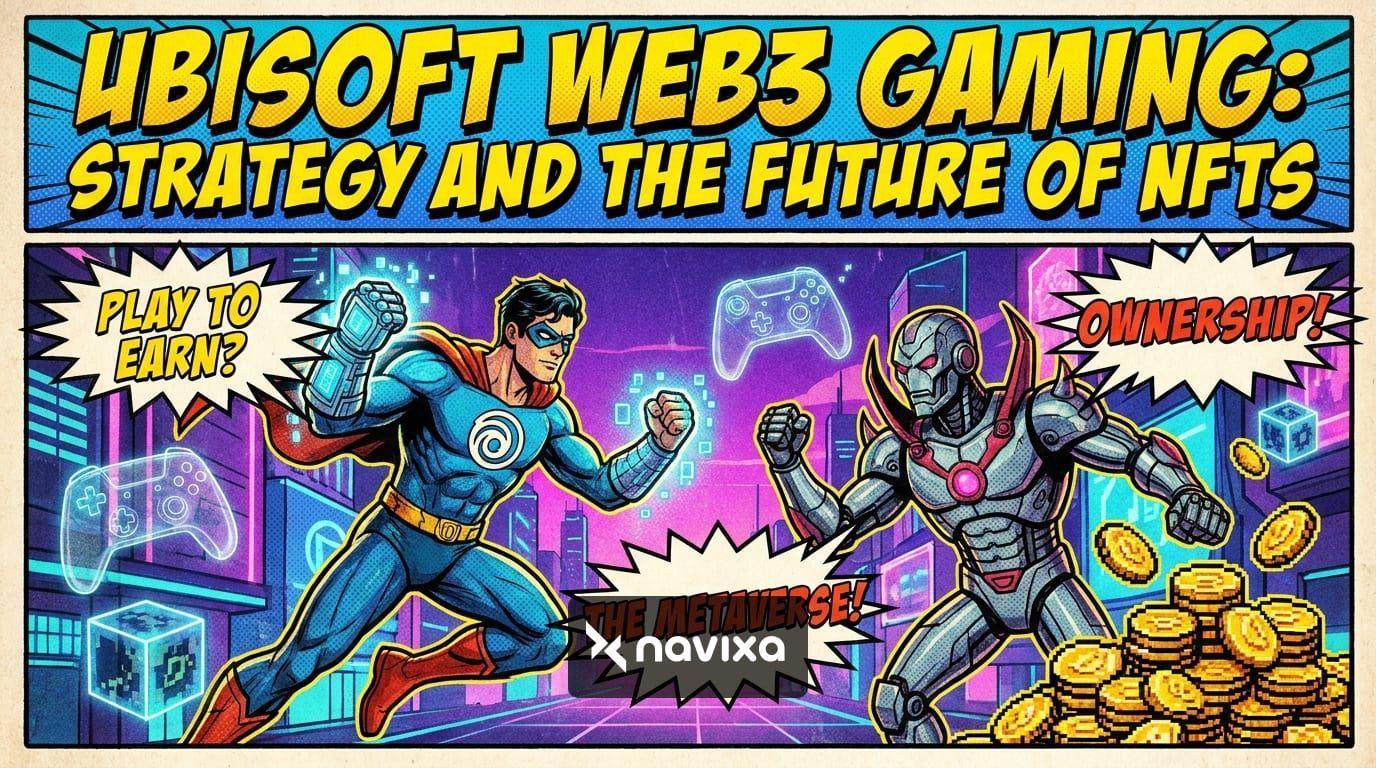
The landscape of the video game industry is undergoing a massive paradigm shift, and at the forefront of this evolution is Ubisoft Web3 gaming. Moving far beyond the initial, highly experimental phases of non-fungible tokens (NFTs), one of the world's most recognized AAA game publishers is establishing a long-term blueprint for the future of decentralized digital ownership. As gaming communities continue to demand more agency over their in-game assets, Ubisoft has stepped up to seamlessly integrate blockchain technology into its ecosystem without compromising traditional gameplay mechanics.
As traditional revenue models like microtransactions and loot boxes face intense regulatory pushback and community fatigue, publishers are searching for the next breakthrough. Ubisoft's answer lies in granting players verifiable digital property rights. By leveraging cryptographic security, they are creating ecosystems where time invested translates into tangible, tradeable value. When Ubisoft initially dipped its toes into the blockchain waters, the industry watched closely. Today, their strategic pivot towards player-driven economies is transforming how digital assets are created, valued, and traded. This article will dissect the intricate strategies behind Ubisoft's Web3 initiatives, exploring the financial frameworks, technical infrastructure, and actionable trading strategies that modern gamers and investors need to master.
The Evolution of Ubisoft's Blockchain Architecture
To understand the current state of the market, one must look at how Ubisoft has iterated on its underlying blockchain infrastructure. The company has moved away from isolated experiments toward an interconnected, multi-chain gaming metaverse.
From Ubisoft Quartz to Multi-Chain Dominance
In its earliest iteration, Ubisoft launched its "Quartz" platform on the Tezos blockchain, introducing limited-edition cosmetics called "Digits." This was a foundational step, testing the appetite for energy-efficient, Proof-of-Stake (PoS) digital collectibles. However, the true leap forward occurred when Ubisoft expanded its horizons to embrace multi-chain operability.
Recent developments showcase a sophisticated, layered network strategy. By deploying *Champions Tactics: Grimoria Chronicles* on the Oasys Layer-2 network and partnering with the Immutable zkEVM ecosystem for titles like *Might & Magic: Fates*, Ubisoft is prioritizing gas-free, frictionless trading. This multi-chain thesis ensures that gamers do not need to be crypto experts to interact with the economy; the blockchain mechanics operate transparently in the background.
LayerZero and Decentralized Validation
Further solidifying its technical moat, Ubisoft launched a Decentralized Validation Network (DVN) powered by the LayerZero omnichain protocol. This architecture is crucial for cross-chain asset transfers. For traders and gamers, this means an asset earned in an Ethereum-based ecosystem could theoretically be recognized or utilized in a Polygon or Oasys environment, drastically increasing the liquidity and utility of the NFT.
"The integration of decentralized networks fundamentally shifts the balance of power, allowing players to retain persistent value across isolated gaming instances."
Trading Strategy: Navigating the Player-Driven Economy
Unlike traditional financial markets, the economy of Ubisoft Web3 gaming is driven by utility, narrative scarcity, and meta-gameplay mechanics. Treating an in-game NFT merely as a speculative token is a flawed approach; instead, traders must view these assets as utility-bearing instruments.
Valuing Utility vs. Speculation
In a Trading Card Game (TCG) environment like *Might & Magic: Fates*, the value of a digital card is directly correlated to its performance in the current competitive meta. A successful trading strategy involves:
1. Patch Cycle Analysis: Anticipating developer updates. If a specific faction or card type is scheduled for a buff, accumulating those assets pre-patch can yield significant returns on secondary marketplaces. 2. Rarity vs. Liquidity: While ultra-rare cosmetic items carry high price tags, their market is often illiquid. Conversely, mid-tier utility items required for competitive play boast higher daily trading volumes, offering traders better opportunities for arbitrage and quick turnarounds.
Dynamic NFTs and Market Shifts
Ubisoft's collaboration with Aleph.im for titles like *Captain Laserhawk: The G.A.M.E.* introduced dynamic NFTs. These assets evolve based on player achievements and narrative progression. From a trading perspective, dynamic NFTs present a unique alpha: an under-leveled asset can be purchased at a discount, "farmed" or leveled up through gameplay, and sold at a premium. This "Proof of Play" model rewards time investment with tangible financial upside.
Technical Analysis in Decentralized Gaming Marketplaces
Technical analysis (TA) in the Web3 gaming sphere extends beyond traditional candlestick charts. While tracking the floor price of a collection is important, evaluating the underlying on-chain data provides a more comprehensive market picture.
On-Chain Metrics to Monitor
To successfully trade within the Ubisoft Web3 ecosystem, participants should monitor the following key performance indicators:
* Unique Active Wallets (UAW): A steady increase in UAW indicates genuine player adoption rather than wash trading by a small group of whales. * Secondary Market Volume: Consistent daily trading volume on platforms like the Immutable Marketplace or native Ubisoft hubs validates the liquidity of the in-game assets. * Asset Burn Rates: Many of Ubisoft's Web3 economies utilize deflationary mechanics where assets are "burned" (destroyed) to craft higher-tier items. Tracking the burn rate can help project supply crunches, signaling a potential upward breakout in asset prices.
Furthermore, traders must account for the tokenomics of the underlying network. Analyzing the inflation rate of in-game currencies versus the player growth rate is vital. If the supply of a reward token inflates faster than new players enter the ecosystem to absorb it, the token's value will inevitably crash, dragging the value of related NFTs down with it. A savvy Web3 gaming analyst essentially becomes a digital macroeconomist, tracking capital flows between fiat bridges, Layer-1 chains, and the specialized Layer-2 subnets where the games reside.
Comparing Ubisoft's Flagship Web3 Titles
Understanding the nuances between Ubisoft's offerings is vital for anyone looking to participate in these digital economies. The table below outlines the core differences in their flagship Web3 properties.
| Game Title | Blockchain Infrastructure | Gameplay Genre | Asset Utility & Trading Focus |
|---|---|---|---|
| Champions Tactics: Grimoria Chronicles | Oasys (Layer-2) | Tactical RPG | Collectible characters, strategic team building, zero-gas trading |
| Might & Magic: Fates | Immutable zkEVM | Trading Card Game (TCG) | Tradeable cards, deck construction, meta-driven asset valuation |
| Captain Laserhawk: The G.A.M.E. | Arbitrum & Aleph.im | Multiplayer Top-Down Shooter | Dynamic NFTs, narrative impact, evolving asset metadata |
Actionable Steps for Web3 Gamers and Traders
For those eager to dive into Ubisoft Web3 gaming, setting a secure and strategic foundation is paramount. Here are the actionable steps to safely integrate into this new economy.
1. Optimize Your Wallet Setup
Begin by configuring a non-custodial wallet compatible with multiple networks (such as MetaMask or Rabby). Ensure you have added the specific RPC networks utilized by Ubisoft, including Immutable zkEVM, Arbitrum, and Oasys. Since transaction fees on these Layer-2 networks are negligible, you do not need to hold massive amounts of native gas tokens, but keeping a small buffer is recommended for fast executions during high-volume periods.
2. Participate in Closed Betas and Early Mints
The highest ROI in Web3 gaming historically comes from early adoption. Ubisoft frequently rewards its dedicated player base with whitelist spots and zero-gas mints. Make sure your Ubisoft Connect account is active, enable Two-Factor Authentication (2FA), and actively monitor their official social channels to secure entry into these foundational events.
3. Monitor the Competitive Meta
If you are investing in assets for games like *Might & Magic: Fates*, you must play the game or closely follow top-tier competitive streams. Identifying undervalued cards before they become mainstream in the competitive meta allows you to acquire assets cheaply and distribute them to incoming players as demand spikes.
Risk Management in NFT Gaming
While the intersection of AAA gaming and decentralized finance offers immense opportunities, it is not without significant risks. Implementing a robust risk management protocol is non-negotiable.
Market Volatility and Liquidity Risks
Unlike traditional equities, in-game NFTs can suffer from severe liquidity droughts. If the player base of a specific title dwindles, the secondary market for its assets can evaporate entirely. Never allocate capital that you cannot afford to lose, and diversify your holdings across different game genres and blockchain ecosystems to hedge against isolated game failures.
Regulatory Scrutiny
The regulatory landscape surrounding Web3 gaming is actively evolving. Jurisdictions across Europe and North America are heavily scrutinizing loot box mechanics, digital asset trading, and behavioral tracking, categorizing some elements as gambling or unregistered securities. Should new regulations force Ubisoft to alter its marketplace functionality or geo-restrict certain features, the value of associated NFTs could be severely impacted.
Ecosystem Dependency
Ultimately, the value of these assets relies on Ubisoft's continued support of the games. As seen in the broader industry, publishers can sunset live-service titles. While owning an NFT means the cryptographic asset remains in your wallet forever, its financial and utility value essentially drops to zero if the game servers are taken offline.
Practical Takeaways
* Multi-Chain Approach: Ubisoft is leveraging specialized Layer-2 blockchains (Oasys, Immutable, Arbitrum) to ensure seamless, gas-free experiences. * Utility Trumps Speculation: Base your trading strategies on in-game utility and patch cycles rather than pure speculation. * Track On-Chain Data: Utilize metrics like Unique Active Wallets and asset burn rates to gauge true ecosystem health. * Protect Your Capital: Be acutely aware of liquidity risks and regulatory shifts, ensuring your exposure is manageable. * Dynamic Assets: Look for opportunities in dynamic NFTs, which gain value as you invest time and skill into the game.
Conclusion
The push toward Ubisoft Web3 gaming represents a bold reimagining of the traditional gaming model. By transitioning players from mere consumers to active stakeholders in a decentralized economy, Ubisoft is laying the groundwork for the next generation of interactive entertainment. Whether you are a hardcore gamer looking to monetize your playtime or an investor seeking novel digital asset classes, mastering the mechanics of these new ecosystems is essential. Embrace the transition, manage your risks diligently, and position yourself at the forefront of the Web3 gaming revolution.
Frequently Asked Questions
What is Ubisoft Web3 gaming?
Ubisoft Web3 gaming refers to the integration of blockchain technology and non-fungible tokens (NFTs) into Ubisoft's video game ecosystem. This allows players to truly own, trade, and sell unique digital in-game assets, such as cosmetic items, trading cards, and playable characters, on decentralized secondary marketplaces.
How does Ubisoft handle the environmental impact of its NFTs?
To mitigate the massive energy consumption traditionally associated with blockchain networks, Ubisoft strictly utilizes Proof-of-Stake (PoS) and Layer-2 scaling solutions like Tezos, Oasys, and Immutable zkEVM. These networks consume exponentially less energy than traditional Proof-of-Work systems, aligning with global carbon-neutral initiatives.
Are Ubisoft's Web3 games considered pay-to-win?
Ubisoft has explicitly stated that its Web3 implementations are designed to avoid pay-to-win mechanics. For example, in competitive titles like *Might & Magic: Fates*, victory is intended to rely on tactical skill and strategy. While players can purchase specific cards to build their decks, the games remain free-to-play with no hard progression barriers, and assets primarily focus on ownership and aesthetics rather than unfair advantages.
Can I play Ubisoft Web3 games without using cryptocurrency?
Yes, a major pillar of the current Ubisoft Web3 gaming strategy is reducing friction for traditional gamers. Titles are being designed to abstract the blockchain elements away from the core gameplay loop. Players can often create accounts, play the games, and even earn assets using standard login methods like Ubisoft Connect, without needing to pre-fund a crypto wallet. The Web3 elements are strictly optional for those who wish to trade their assets on external marketplaces.
What happens to my NFTs if Ubisoft shuts down a game?
Because the NFTs are minted on decentralized blockchains, they permanently reside in your personal crypto wallet regardless of the game's server status. However, if Ubisoft discontinues active development or shuts down a game's servers, the associated in-game utility of those NFTs will be lost, which usually results in a significant drop in their practical and financial value.