
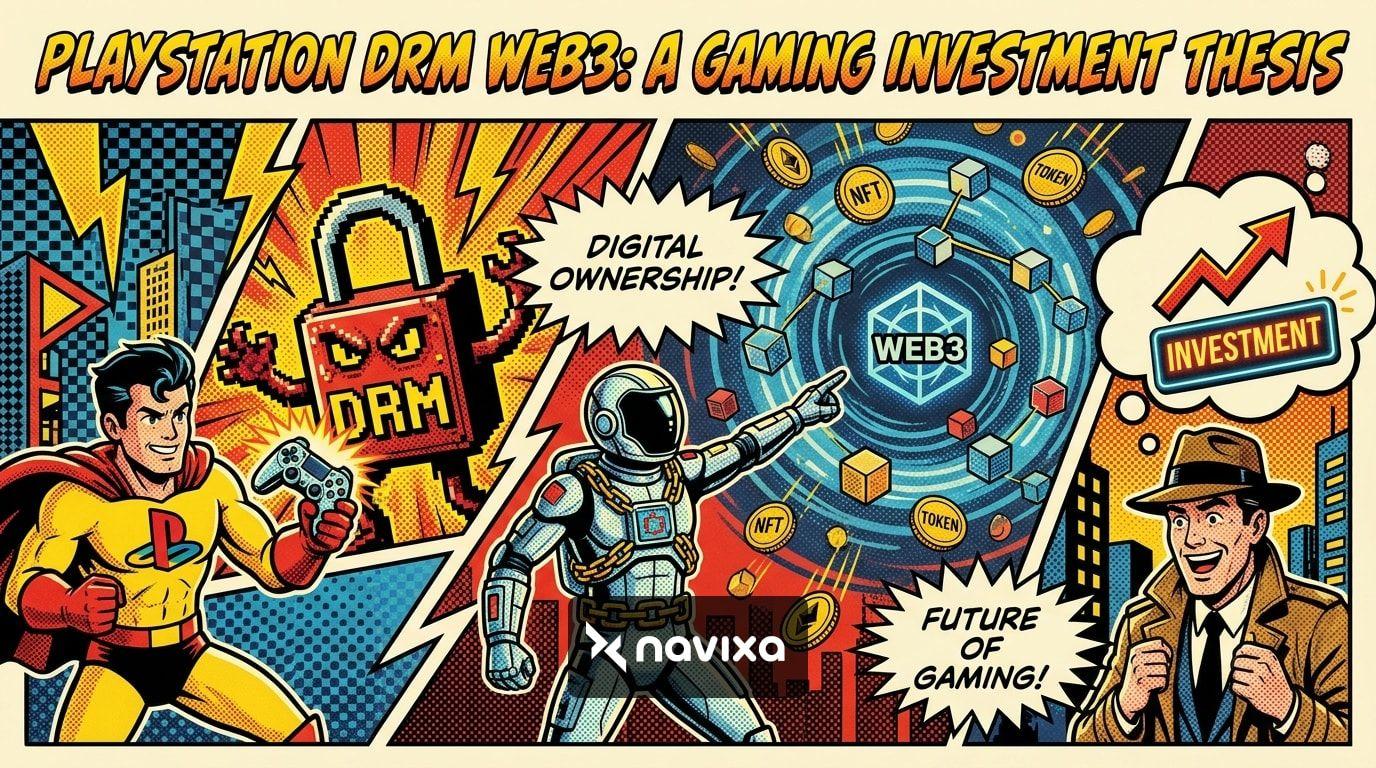
The convergence of traditional video gaming and blockchain technology has reached an inflection point, driven heavily by monumental shifts from industry titans. When we discuss the future of digital asset ownership, the PlayStation DRM Web3 integration stands out as one of the most compelling catalysts for a new era of gaming and investment. For years, the concept of non-fungible tokens (NFTs) and decentralized ecosystems in gaming was relegated to niche markets and independent studios. Today, household names are actively building the infrastructure to transform how gamers interact with, own, and trade their in-game assets.
Understanding the investment thesis behind these technological leaps requires a deep dive into how Digital Rights Management (DRM) is evolving. By transitioning from walled gardens to distributed ledgers, companies like Sony Interactive Entertainment are laying the groundwork for a massive paradigm shift. This comprehensive guide will explore the mechanics of PlayStation's Web3 patents, the psychological dynamics of the market, and actionable strategies for investors looking to capitalize on the next bull run in blockchain gaming.
The Evolution of Digital Rights in AAA Gaming
To grasp the magnitude of a Web3-powered DRM system, we must first examine the limitations of traditional digital rights management. Historically, DRM has been used by publishers to prevent piracy, restrict unauthorized distribution, and maintain absolute control over digital ecosystems. When a player purchases a digital game or an in-game skin on a traditional console, they are essentially buying a revokable license. The publisher retains ultimate ownership, and the asset is locked to that specific platform and user account.
This centralized model creates significant friction. Players spend billions of dollars annually on microtransactions, yet they cannot resell these assets, transfer them to other platforms, or leverage them in secondary markets. The PlayStation DRM Web3 patents suggest a radical departure from this restrictive model. By utilizing blockchain technology to track the provenance, ownership, and modification history of digital assets, gamers could theoretically enjoy genuine property rights over their digital purchases.
For investors, this transition represents a multi-billion dollar opportunity. Secondary markets for digital assets will require robust decentralized finance (DeFi) infrastructure, liquidity pools, and proprietary tokens to facilitate trade. Recognizing this shift early allows investors to position themselves in the foundational layer-1 and layer-2 networks that will power these ecosystems.
Decoding the PlayStation Web3 DRM Patents
Sony Interactive Entertainment has filed a series of patents over the past few years that paint a vivid picture of its Web3 ambitions. The most notable filings revolve around tracking unique in-game digital assets using tokens on a distributed ledger. These patents describe systems capable of tracking an asset's entire lifecycle—from the moment it is generated in-game to its various trades and modifications.
Cross-Platform Interoperability
One of the most groundbreaking aspects of these patents is the emphasis on cross-platform interoperability. Sony's documentation explicitly mentions the potential to transfer digital assets not only across PlayStation titles but potentially to rival platforms like Xbox and Nintendo. If a Web3 DRM standard is adopted universally, it would break down the silos that have traditionally defined console gaming.
Time-Restricted Ownership and NFT Rentals
Another critical patent outlines a framework for time-restricted ownership, effectively paving the way for NFT rentals. In a traditional gaming environment, players must purchase an asset outright. Under the new Web3 DRM model, players could rent a high-level weapon or a rare cosmetic item for a specific duration or a set number of matches. Smart contracts would automate the return of the asset to the original owner and distribute the rental fees. This mechanic introduces yield-generation opportunities within the gaming sector, a concept that is highly attractive to both crypto-native investors and traditional gamers. For an in-depth look at broader Web3 developments, investors often follow industry news outlets like The Block.
How Soneium Fits into the Puzzle
Sony's ambitions are not limited to patent filings. In a massive stride toward practical application, Sony Block Solutions Labs—a joint venture with Startale Labs—recently announced the development of Soneium, an Ethereum Layer-2 blockchain.
Soneium is designed to be the foundational infrastructure that bridges Web2 and Web3, specifically targeting the entertainment, gaming, and financial sectors. By building a proprietary Layer-2 network, Sony can ensure high transaction throughput, minimal gas fees, and a seamless user experience that does not require users to understand the complexities of crypto wallets. For the investment thesis, Soneium is the missing link. It proves that the patents are not just defensive intellectual property maneuvers but blueprints for an active, scalable product.
Market Analysis & Trading Psychology
When approaching the PlayStation DRM Web3 narrative, investors must adopt a highly disciplined approach grounded in both fundamental analysis and trading psychology. The intersection of crypto and gaming is notorious for its speculative manias, driven by retail hype and the promise of "play-to-earn" riches. However, institutional involvement from entities like Sony changes the psychological landscape of the market.
Retail traders often fall victim to FOMO (Fear Of Missing Out) when a major gaming brand announces a blockchain integration. This creates sharp, unsustainable price spikes in associated tokens. The smart money, conversely, focuses on the "picks and shovels" of the industry—the underlying blockchain networks, indexing protocols, and interoperability bridges that will profit regardless of which specific game succeeds.
Furthermore, investors must mentally prepare for macroeconomic headwinds. The cryptocurrency market remains highly correlated with global liquidity and broader equities. In times of severe market stress, speculative assets like gaming tokens are often the first to see dramatic drawdowns. Having a robust plan, such as a Stock Market Crash Crypto: Long-Term Holding Strategy, is vital to prevent panic selling. A resilient mindset allows you to view market corrections as accumulation phases, specifically targeting high-conviction Web3 gaming infrastructure plays at discounted valuations.
Strategic Investment Approaches for Web3 Gaming
Capitalizing on the PlayStation DRM Web3 evolution requires a diversified, multi-tiered investment strategy. Rather than placing blind bets on unreleased gaming titles, consider allocating capital across the following distinct verticals:
1. Infrastructure and Layer-2 Networks
The most asymmetric risk-to-reward ratio lies in the infrastructure layer. As Sony develops Soneium, Ethereum (ETH) solidifies its position as the ultimate base layer for global digital property. Additionally, investing in existing gaming-focused Layer-2 and Layer-3 networks (such as Immutable X, Ronin, or Arbitrum) provides exposure to the broader adoption of Web3 DRM standards.
2. Interoperability and Cross-Chain Bridges
For Sony's vision of cross-platform asset trading to materialize, the industry will require seamless interoperability protocols. Projects like Chainlink (CCIP) and LayerZero are positioning themselves as the universal messaging systems between disparate blockchains. If an in-game asset moves from a PlayStation L2 to an Xbox-compatible network, these protocols will likely facilitate the transfer.
3. Decentralized Identity and Wallets
To onboard billions of traditional gamers, Web3 complexities must be abstracted away. Companies building account abstraction tools, seamless wallet integrations, and decentralized identity solutions will see massive user adoption as major publishers roll out Web3 features.
Risk Management in the Blockchain Gaming Sector
While the upside is tremendous, the risks associated with Web3 gaming investments are equally significant. Regulatory uncertainty remains a primary concern. Depending on how in-game assets and native currencies are structured, regulatory bodies could classify certain tokens as unregistered securities, halting development and crashing prices.
Moreover, there is substantial cultural resistance from the traditional gaming community. Many gamers view NFTs and blockchain integration as predatory monetization tactics. If publishers like Sony fail to implement Web3 DRM in a way that provides genuine value to the user, they risk alienating their core audience. Investors must hedge these risks by maintaining a balanced portfolio, avoiding over-exposure to micro-cap gaming tokens, and implementing strict stop-loss strategies during volatile trading periods.
Traditional DRM vs. Web3 DRM
To crystallize the technological leap, the following table breaks down the core differences between legacy systems and the proposed Web3 models:
| Feature | Traditional DRM | Web3 DRM (PlayStation Model) |
|---|---|---|
| Asset Ownership | Revocable license owned by publisher | Verifiable digital ownership via blockchain |
| Transferability | Locked to a specific account/platform | Tradable across secondary markets |
| Interoperability | Siloed within individual games | Potential cross-platform and cross-game use |
| Monetization | One-way transaction (Player pays publisher) | Two-way (Players can rent, sell, or trade) |
| Transparency | Black-box systems | Public ledger proving provenance and scarcity |
Practical Takeaways for Forward-Thinking Investors
1. Focus on Infrastructure: The safest play in the Web3 gaming narrative is investing in the underlying networks (Ethereum, specialized Layer-2s) that will host these DRM smart contracts. 2. Monitor Patent Approvals: Keep a close eye on intellectual property filings from major gaming studios. They serve as leading indicators for corporate strategy before official products are announced. 3. Master Market Psychology: Avoid buying the top during retail hype cycles. Use macroeconomic downturns as opportunities to build your long-term gaming crypto portfolio. 4. Prioritize User Experience: Invest in projects that abstract the technical difficulties of Web3. The winning platforms will be those where the user doesn't even realize they are interacting with a blockchain.
Conclusion
The integration of PlayStation DRM Web3 technology is not merely a speculative theory; it is an active development phase being pioneered by one of the largest entertainment conglomerates in the world. By redefining digital ownership, enabling secondary markets, and standardizing asset interoperability, Sony is helping to author the next chapter of the internet.
For investors, this transition presents a rare opportunity to front-run institutional adoption. By combining rigorous market analysis, a solid understanding of trading psychology, and a disciplined risk management strategy, you can position yourself at the forefront of the Web3 gaming revolution. The future of gaming is decentralized, and the time to build your investment thesis is now.
Frequently Asked Questions
What does the PlayStation DRM Web3 patent actually do?
The patent outlines a system for tracking unique in-game digital assets on a distributed ledger. Instead of a traditional database, the blockchain records the asset's history, ownership, and modifications, enabling secure, verifiable digital ownership and the potential for secondary market trading.
Why is Sony interested in blockchain and Web3?
Sony recognizes that digital asset ownership is the future of digital economies. By building Web3 infrastructure (like the Soneium Layer-2 network), Sony aims to create new revenue streams, empower creators, and offer gamers unprecedented flexibility, such as cross-game interoperability and asset rentals.
How does Web3 DRM benefit the average gamer?
Unlike traditional DRM, where games and items are merely licensed to the user, Web3 DRM provides true ownership. Gamers can sell rare items they earn or purchase, rent out assets when they aren't playing, and potentially use their digital goods across multiple different gaming ecosystems.
Is the gaming community accepting of Web3 technology?
Currently, there is a divide. Some traditional gamers are skeptical, viewing blockchain integration as another microtransaction scheme. However, as companies like Sony develop seamless, "invisible" Web3 integrations that focus on enhancing the gaming experience rather than just financialization, this sentiment is expected to shift.
What are the best ways to invest in the Web3 gaming trend?
Rather than picking individual gaming titles, investors often find better risk-adjusted returns by investing in the foundational infrastructure. This includes base-layer blockchains, gaming-specific Layer-2 scaling solutions, interoperability protocols, and decentralized identity platforms that will power the ecosystem.